Build a webcam site by choosing a niche, tech stack, legal setup, and clear monetization.
I have built and advised on multiple live-stream platforms, and this guide walks you through how to start a webcam site step by step. You will get clear, practical advice on planning, tech choices, legal must-dos, content strategy, and launch tasks. Read on to learn pragmatic tips and avoid common mistakes when building a webcam site.

Why build a webcam site: purpose and opportunity
A webcam site can earn recurring revenue, host live creators, and serve niche audiences. Many buyers prefer live, interactive content over pre-recorded video. Knowing why you want to build one shapes every decision from design to monetization.
Benefits include direct audience engagement, flexible pricing models, and high lifetime value per user when you do it right. Limitations include compliance needs, moderation costs, and hosting demands. Understanding the trade-offs early saves time and money when you learn how to start a webcam site.
Source: wevideo.com
Business models and revenue streams
Choose a clear business model before you build. Common models are:
- Subscription revenue: Users pay monthly for access to creators or features.
- Pay-per-view: Users buy tokens or credits and spend them on private shows.
- Tip-based economy: Fans tip models during live sessions.
- Advertising and sponsorships: Less common for adult content but viable for non-adult niches.
- Hybrid model: Combine subscriptions with tips and PPV for a more stable income.
Estimate which mix fits your niche and audience. If you plan adult content, expect stricter payment and compliance rules, and add backup payment processors. Understanding monetization is core to how to start a webcam site that scales.
Source: vcu.edu
Legal, safety, and compliance essentials
Compliance is non-negotiable. Requirements vary by country, but core elements include:
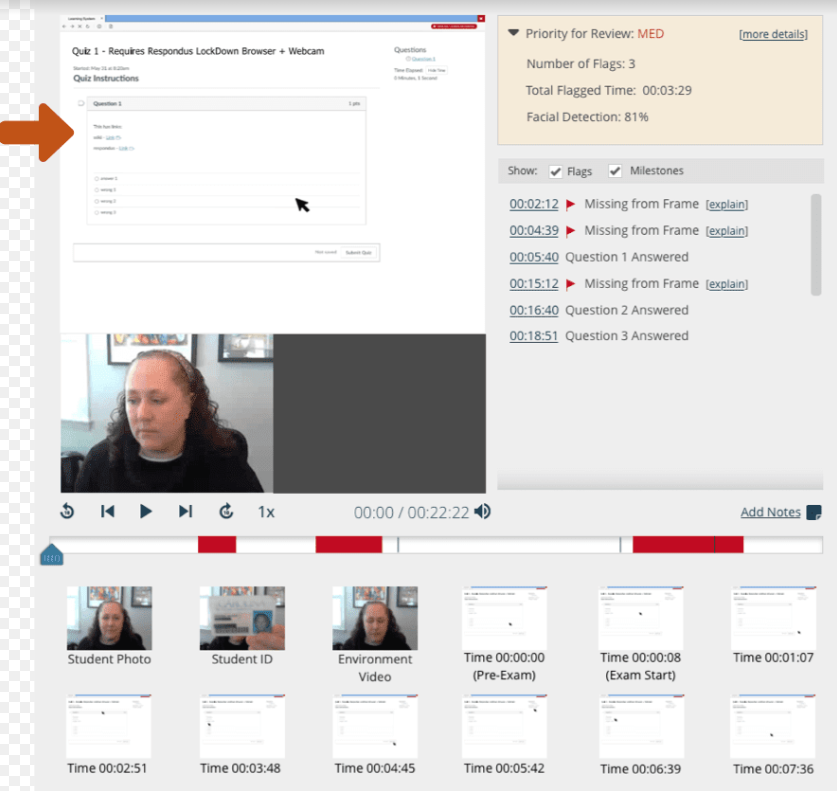
- Age verification: Verify performers are of legal age using ID checks and secure storage.
- Consent and contracts: Get written model agreements that cover pay, schedules, and content rights.
- Content policies: Define and enforce rules for prohibited acts and illegal content.
- Data protection: Follow privacy laws and secure user data with encryption and access controls.
Plan a compliance workflow and budget for legal counsel. Ignoring legal needs is the fastest way to shut a platform down. This step is essential to long-term success when learning how to start a webcam site.

Source: gainesville.com
Technical stack and platform options
Pick the right tech path based on budget and timeline. Main options are:
- Self-hosted custom platform: Full control, higher cost, long development time.
- White-label or SaaS webcam platform: Faster launch, lower initial cost, less control.
- Hybrid: Start with SaaS and migrate to custom later.
Key technical pieces to plan:
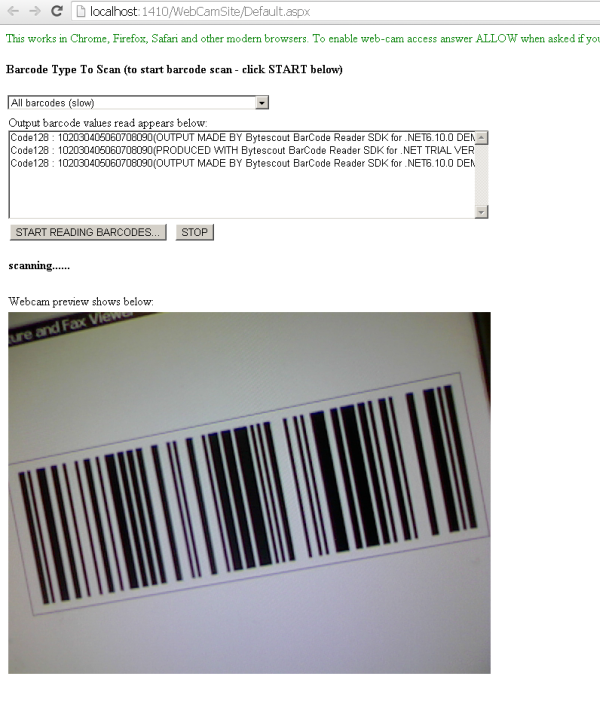
- Streaming server: WebRTC for low-latency, or HLS for scalability.
- Backend: Authentication, user accounts, session tracking.
- CDN: Distribute live streams reliably to users.
- Payments: PCI-compliant gateway and support for refunds.
- Security: SSL, DDoS protection, and server hardening.
If you want low latency for private chats, focus on WebRTC and turn servers. If you need large audience broadcasts, HLS and scalable CDNs are better. These choices define how to start a webcam site that meets user expectations.
Source: bytescout.com
People also ask
Q: How much does a basic webcam site cost to launch?
A: A small, hosted solution can start under $5,000; a custom build often costs $50,000+.
Q: Which streaming tech is best for private chats?
A: WebRTC is best for one-to-one low-latency chats; it is more complex but gives a real-time feel.
Q: Do I need special hosting for live video?
A: Yes. Use a provider with scalable bandwidth, or a CDN designed for streaming, to avoid interruptions.

Source: reddit.com
Design, user experience, and moderation
Good UX increases conversions and retention. Design principles:
- Clear onboarding: Make it easy for creators and users to sign up.
- Simple navigation: Help users find live shows, models, and features fast.
- Mobile-first: Many viewers use phones; test mobile flows thoroughly.
- Safety tools: Allow users to report, block, and flag content quickly.
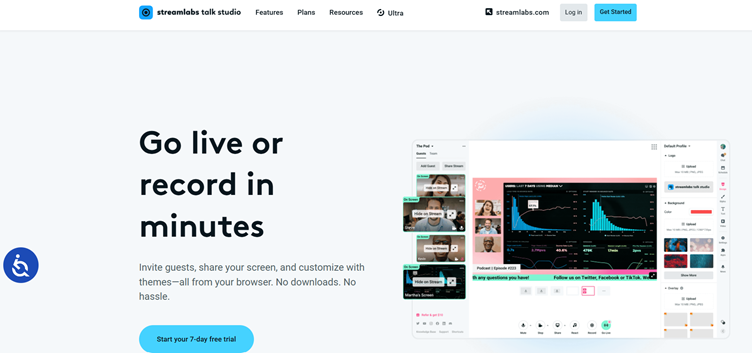
Moderation is part tech, part human work. Use automated filters for known issues and human moderators for edge cases. Plan moderation guidelines and a rapid response process. These details matter when you consider how to start a webcam site that keeps users safe and returning.
Source: hollyland.com
Payment processing and financial operations
Payments can be tricky for webcam sites, especially in adult niches. Notes to follow:
- Choose compliant processors: Pick processors that allow your content type.
- Token systems: Use tokens to abstract prices and reduce chargeback risks.
- KYC and payouts: Verify creators and set payout schedules and fees.
- Fraud prevention: Monitor for chargebacks, fake accounts, and misuse.
Keep clear accounting and tax records. Financial trust builds a stable platform and helps when scaling your webcam site.
Source: github.com
Marketing and growth strategies
Marketing should match your niche and brand. Effective tactics include:
- Creator recruiting: Offer fair splits and onboarding help to attract top talent.
- SEO and content: Publish profiles, blogs, and pages that target long-tail queries about live shows.
- Social media and influencer work: Use teaser clips and creator partnerships.
- Email and retention: Use newsletters, promos, and win-back campaigns to keep users.
Measure CAC (customer acquisition cost) and LTV (lifetime value). Optimize channels that bring the best LTV/CAC ratio. This practical approach helps you build a sustainable webcam site.
Costs, timeline, and launch checklist
Typical timeline and cost buckets:
- Planning (2–4 weeks): Research niche, legal check, choose model.
- MVP development or SaaS setup (4–12 weeks): Site, streaming, payments.
- Testing and content seeding (2–6 weeks): Sign up creators and test moderation.
- Launch and growth (ongoing): Marketing and ops.
Checklist before launch:
- Finalize niche and business model.
- Complete legal and age verification processes.
- Integrate streaming and CDN infrastructure.
- Set up payments and anti-fraud tools.
- Recruit initial creators and seed content.
- Test UX on mobile and desktop.
- Train moderators and establish escalation paths.
Estimate initial cost from a few thousand to tens of thousands, depending on choices. Proper planning speeds the path from idea to live site when you learn how to start a webcam site.
Personal experience and lessons learned
I helped launch two live platforms and learned three hard truths:
- Start small and iterate: A simple, stable MVP beats a feature-rich but unstable launch.
- Invest in moderation early: Scaling without moderation creates legal risk and harms reputation.
- Creator experience is king: Treat creators like partners; their success drives platform revenue.
A mistake I made early was underestimating bandwidth costs. We tracked usage on day one and adjusted pricing. That lesson shaped how I advise others on how to start a webcam site.
Frequently Asked Questions on how to start a webcam site
What technical skills do I need to start a webcam site?
You need basic web development knowledge or a vendor. Key areas include streaming tech, backend APIs, and payment integration.
Can I use off-the-shelf software to launch quickly?
Yes. White-label and SaaS platforms let you launch fast with less technical debt, though with less control.
How do I verify models’ ages and identities?
Use a KYC provider or manual ID checks combined with selfie verification and document storage under secure protocols.
Is starting a webcam site legal?
It can be legal, but rules vary. Get legal advice and follow age, content, and data laws in your target markets.
How do I attract creators and viewers at launch?
Offer competitive splits, clear onboarding, and initial promotion funds. Seed shows so that new users can find live content immediately.
Final thoughts and next steps
You now have a clear roadmap for how to start a webcam site—from choosing a model to launching and growing. Start by defining your niche, securing legal advice, and selecting a tech path that fits your budget and timeline. Take action: outline a 90-day plan, recruit a few creators, and test streaming and payments. If this guide helped, consider subscribing or leaving a comment with your biggest launch question.