
Optimize your gaming PC for 8K gaming with GPU upgrades, AI upscaling, better cooling, and fast storage for smoother gameplay.
I’ve built and tuned high-end rigs for years, so I know what it takes to push pixels at extreme resolution. This guide walks you through how to optimize gaming PC for 8K gaming with clear steps, hardware checks, and real-world tips. You’ll learn why 8K needs special parts, how to pick and tune a GPU, what settings to change, and how to test results. Follow this to make your PC ready for 8K without guessing.

Understanding 8K gaming: demands and trade-offs
8K means 7680 × 4320 pixels. That is four times 4K and sixteen times 1080p. High pixel count pushes GPU memory, bandwidth, and shader load hard. Many games will drop far below playable frame rates at native 8K without help, so you must plan strategically.
Key technical demands to know:
- VRAM scales with resolution and textures. Aim for 16–24GB or more.
- Memory bandwidth and GPU cores determine raw frame rates.
- CPU matters for draw calls, but is secondary to GPU at 8K.
How to optimize gaming PC for 8K gaming means balancing parts, tuning drivers, and using smart upscaling. Expect trade-offs between visual fidelity and frame rate. Industry testing shows upscaling tech and frame generation often deliver the best balance for high-refresh 8K play.

Source: amazon.com
Hardware checklist for 8K gaming
Start with a clear parts list so you don’t bottleneck. Every choice affects the whole system.
Must-have components:
- High-end GPU with lots of VRAM. Look for 24GB+ on modern cards for best headroom.
- A fast CPU with strong single-thread and multi-core parts to avoid CPU limits.
- 32GB or more of fast RAM to handle system and game needs.
- NVMe SSD for fast asset streaming and short load times.
- A high-capacity, efficient PSU to supply peak GPU power.
- Robust cooling—both case airflow and a quality AIO or custom loop for GPU/CPU.
How to optimize gaming PC for 8K gaming starts with choosing parts that match. From my builds, pairing a top-tier GPU with a balanced CPU and fast storage gives the cleanest results.
Source: nvidia.com
GPUs: choosing and optimizing
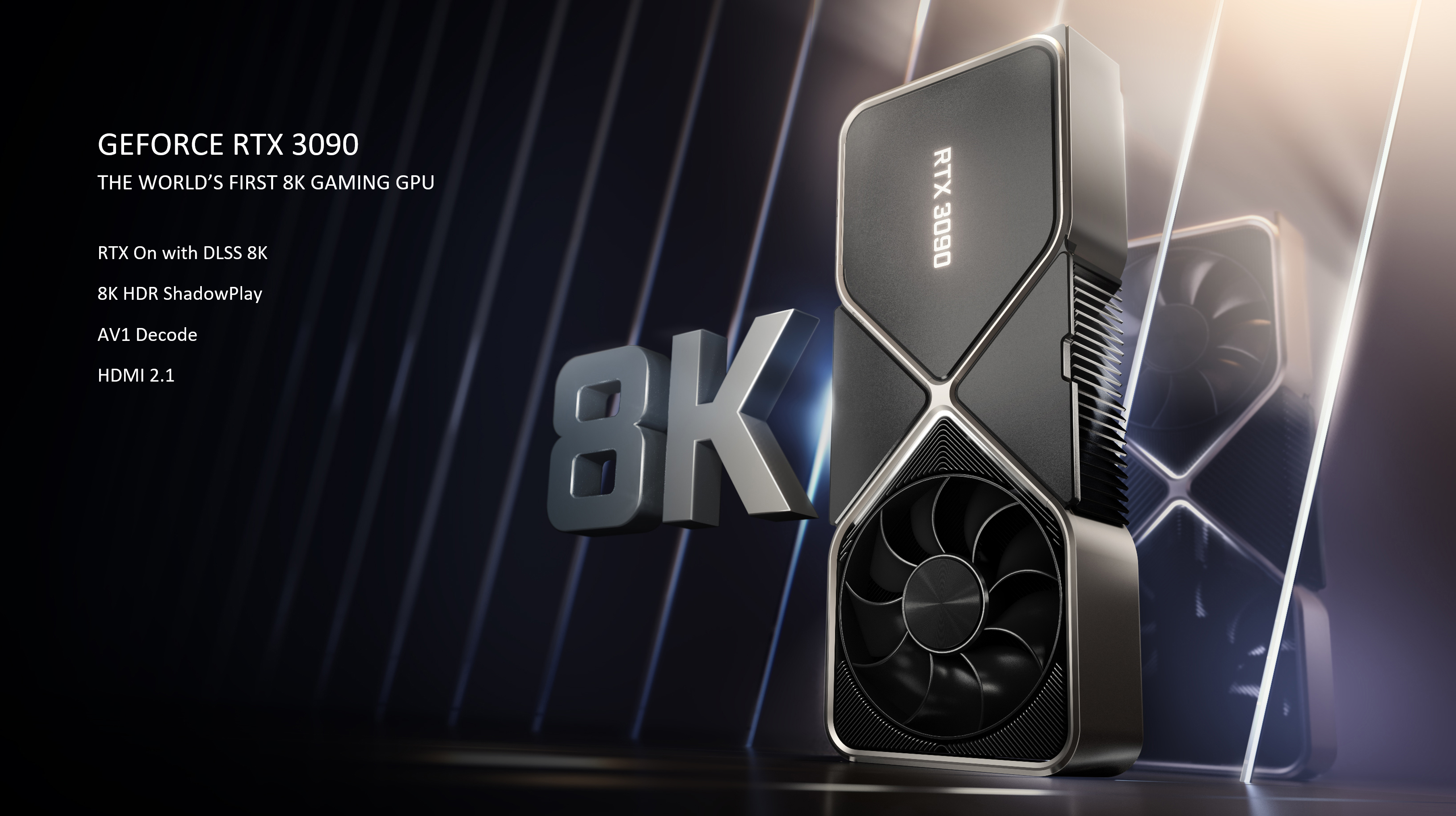
The GPU is the heart of how to optimize gaming PC for 8K gaming. Choose the fastest card you can afford and then tune it.
Selection and tuning tips:
- Pick a flagship or workstation GPU with high TFLOPS and 24GB+ VRAM.
- Enable vendor drivers and firmware updates for best performance.
- Use manufacturer tools to set power limits, fan curves, and safe overclocks.
- Use in-game or driver-level frame pacing to avoid stutter.
Upscaling features like AI upscalers and frame generation can multiply effective frame rates. In practice, I use driver profiles and a modest overclock for stable 8K performance while relying on upscaling to hit target FPS.

Source: amazon.com
CPU, memory, storage, and cooling
A balanced supporting stack is vital when you learn how to optimize gaming PC for 8K gaming. Neglect any part and your GPU can’t reach full potential.
Practical guidance:
- CPU: Choose 8+ cores with strong IPC. Avoid ultra-low-power parts.
- RAM: 32GB minimum; 64GB if you stream or run background tasks.
- Storage: NVMe Gen4 for scratch and streaming assets. Use a separate drive for OS and games when possible.
- Cooling: Improve airflow with high-static fans. Use a good CPU cooler and consider GPU AIO or enhanced case ventilation.
I once ran into frame drops from a slow NVMe drive. Upgrading to a Gen4 SSD removed stutter and raised 8K frame stability significantly.

Source: lemokey.com
Display, cables, and settings
Choosing the right screen and cables is a practical part of how to optimize gaming PC for 8K gaming.
Key items to check:
- Use displays that support true 8K at desired refresh rates.
- Check interface: HDMI 2.1 can handle 8K60; DisplayPort 2.0 handles higher bandwidths and refresh.
- Ensure quality cables and certified adapters to avoid signal loss.
- Match refresh rate and GPU output to avoid scaling mismatch.
Real-world tip: verify EDID and monitor firmware. A good cable and correct monitor mode can fix invisible issues that look like GPU faults.

Source: amazon.com
Software, drivers, and in-game settings
Software choices make or break 8K experience. Learn how to optimize gaming PC for 8K gaming by tuning software first.
Steps to follow:
- Keep GPU drivers current and use clean installs when upgrading major drivers.
- Use upscaling: AI upscalers, FSR, and driver-level solutions can massively boost frames.
- Tune in-game settings: lower shadows and post effects first; keep texture and resolution details higher.
- Use game and OS profiles to disable unnecessary background services.
I often create a custom game profile for each title. That way, I can quickly switch between ultra-quality and performance modes when testing 8K settings.
Source: avaccess.com
Benchmarking, testing, and real-world tips
Testing shows whether changes helped. Benchmarking is the final step in how to optimize gaming PC for 8K gaming.
Quick testing routine:
- Run a native 8K benchmark, then the same test with upscaling on.
- Check frame time stability with a monitoring tool to spot stutter.
- Test different driver versions if you see odd behavior.
- Record results and tweak power or thermal settings iteratively.
PAA-style check: Which settings matter most? Upscaling and motion techniques matter most. Texture sizes and shadows come next. From years of testing, iterative tweaks, and measured runs yield the best gains.

Source: minixpc.com
Cost, future-proofing, and realistic expectations
8K gaming is expensive and still niche. Set clear goals for performance and cost.
Considerations:
- Native 8K at high FPS is rare. Expect to use upscaling for smooth gameplay.
- Plan upgrades: buying scalable parts gives longer life.
- Balance budget between GPU, cooling, and a good display.
Be honest: if you want steady 60+ FPS at 8K in modern titles, expect to spend more than on a 4K rig. My advice is to buy the best GPU you can now and use upscaling to stay current for longer.
Source: avaccess.com
PAA-style questions
What FPS can I expect at native 8K?
Most modern AAA games will not hit 60 FPS at native 8K on consumer cards. Expect lower FPS unless using top-tier workstation GPUs.
Is upscaling a good solution for 8K?
Yes. AI and spatial upscalers often deliver the best balance of image quality and performance at 8K.
Do I need DisplayPort 2.0 for 8K?
DisplayPort 2.0 is ideal for high refresh 8K. HDMI 2.1 works well for 8K60 and many TVs.
Will more VRAM always help?
More VRAM helps with high-res textures and future-proofing. It only helps if the GPU and bandwidth also match.
Can I stream while gaming at 8K?
Streaming while gaming at 8K is very demanding. Use a second PC or reduce capture resolution to avoid major performance loss.
Frequently Asked Questions of how to optimize gaming pc for 8k gaming
What components limit 8K gaming most?
GPU power and VRAM limit 8K gaming the most. Memory bandwidth and core count also matter, with CPU and storage as secondary limits.
Which upscaling tech is best for 8K?
AI upscalers and modern spatial upscalers both work well. The best choice depends on the game and your GPU brand.
How much VRAM do I need for 8K?
Aim for 16–24GB as a practical minimum. Heavy texture mods or future titles may need more.
Is native 8K necessary for good visuals?
Not always. Upscaling from 4K or lower can deliver excellent results with far better frame rates.
Should I buy a new monitor for 8K now?
Buy only if you need the resolution or content. Otherwise, a top 4K monitor with upscaling features gives better value today.
Conclusion
Optimizing a gaming PC for 8K gaming means choosing the right GPU, balancing CPU and memory, using fast storage, and leaning on smart software like upscalers. Test iteratively, tune drivers, and improve cooling to get stable results. Start with a clear budget and realistic goals, and use the steps here to build or tune a rig that meets your needs. Try one change at a time, record the results, and share your experience or questions below to keep learning.