AI smart glasses combine cameras, sensors, and on-device AI to see, understand, and assist users.
I’ve worked with wearable tech and tested multiple smart glasses prototypes. I will explain clearly how Do AI Smart Glasses Work, from the tiny cameras to the AI models that interpret what you see. This guide breaks down the hardware, software, real uses, privacy concerns, and hands-on tips so you can understand how Do AI Smart Glasses Work and whether they fit your life.
How Do AI Smart Glasses Work: Core Concepts
Smart glasses turn visual and audio inputs into useful information in real time. They pair sensors and cameras with local or cloud AI. The AI recognizes objects, reads text, translates speech, and overlays data on a tiny display. Understanding how Do AI Smart Glasses Work starts with three core ideas: capture, compute, and display.
- Capture. Glasses gather data through cameras, microphones, GPS, and motion sensors.
- Compute. On-device chips or cloud servers run AI models to interpret the data.
- Display. Results reach the user via a heads-up display, audio, or haptic feedback.
These steps repeat many times per second to feel instant. The more processing happens on the device, the less latency and the better the privacy.

Key Components and Hardware
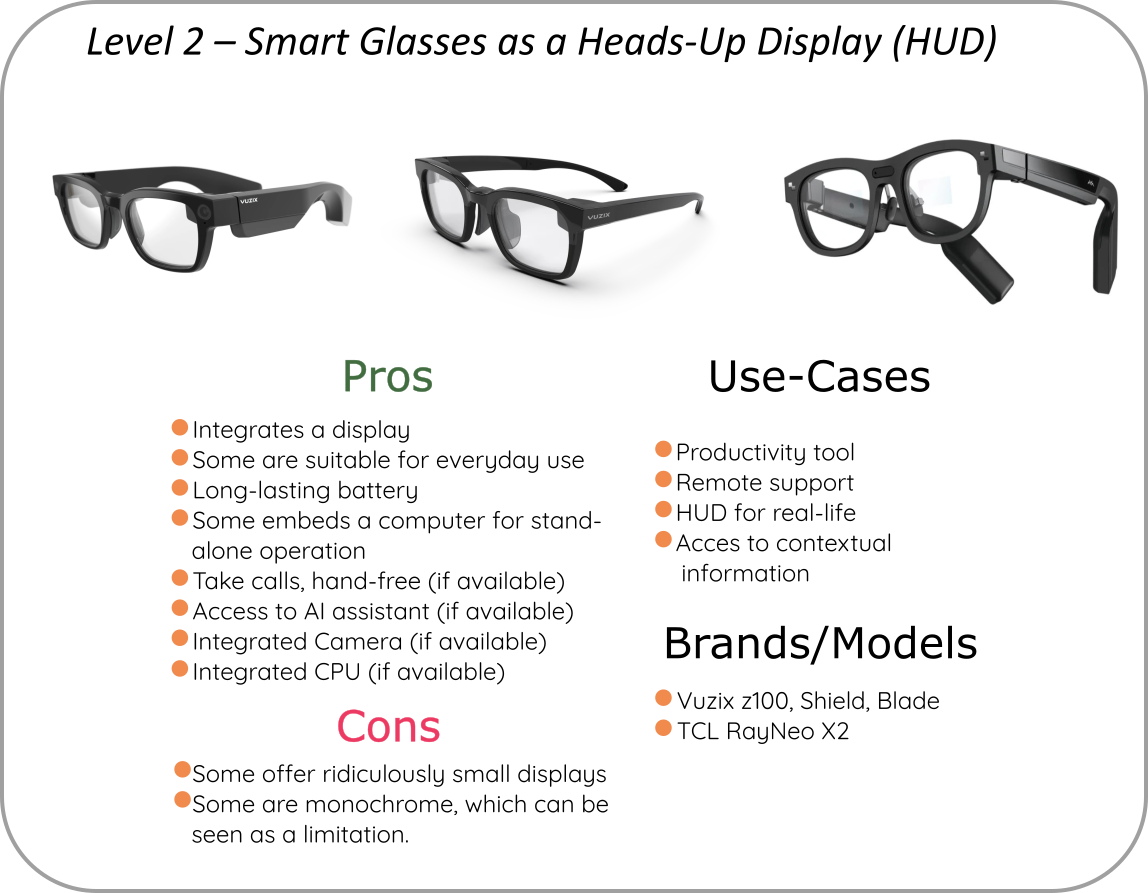
Smart glasses pack several compact parts into a light frame. Each part matters for how Do AI Smart Glasses Work.
- Frame and optics. Frame holds the electronics and directs light to a microdisplay.
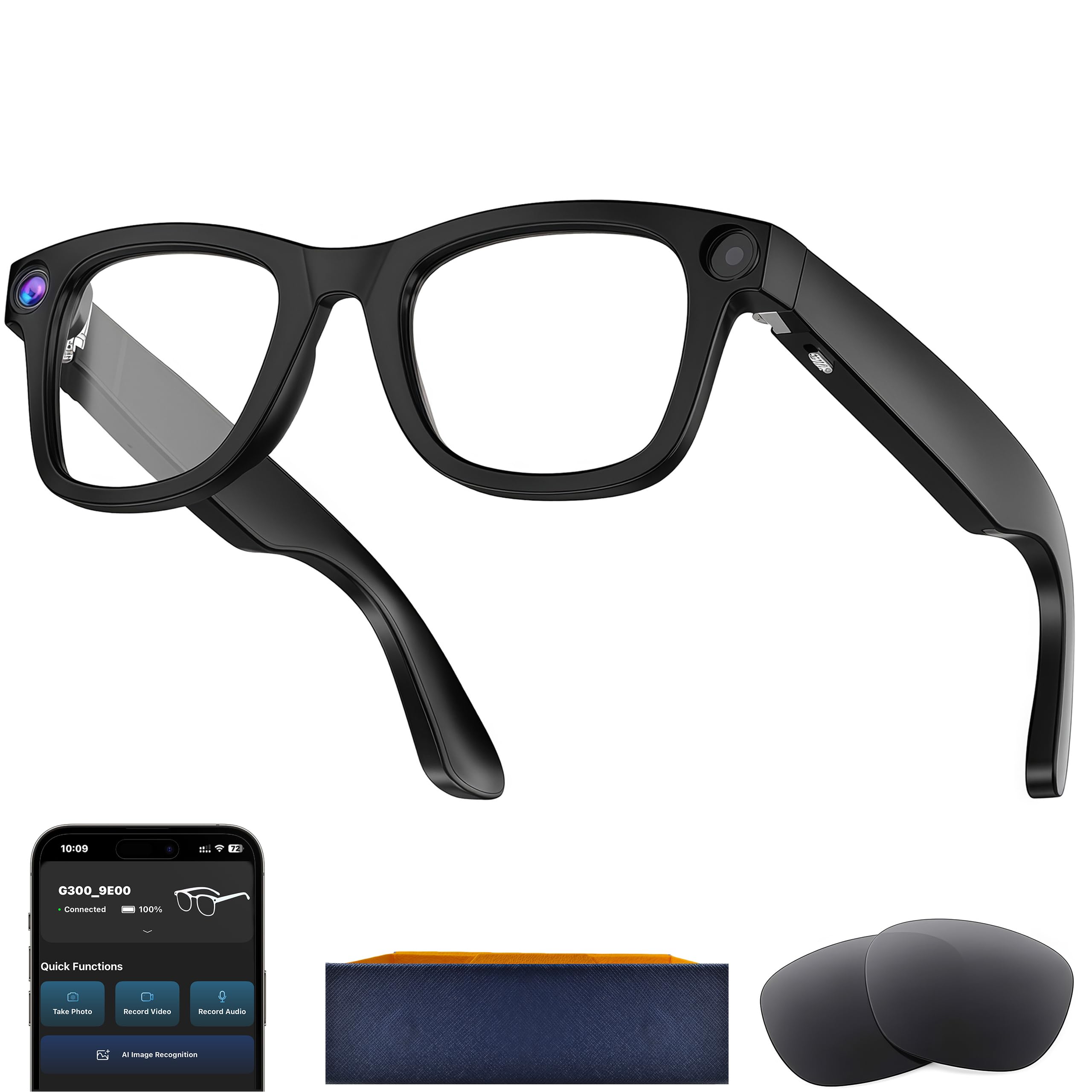
- Cameras. One or more tiny cameras capture the scene in front of you.
- Microdisplay. A small screen or waveguide projects images into your eye.
- Microphone and speaker. For voice commands and audio feedback.
- Processing unit. A system-on-chip (SoC) or paired smartphone handles computations.
- Battery and sensors. Accelerometers, gyroscopes, and GPS help track motion and context.
Good thermal design keeps the device cool. Power efficiency shapes how long glasses can run on a single charge.

Sensors, Cameras, and Displays
Sensors are the eyes and ears of the glasses. They feed data to the AI.
- RGB cameras. Capture color images for object and text recognition.
- Depth sensors. Measure distance to objects for AR alignment and obstacle detection.
- Infrared sensors. Improve low-light performance and eye tracking.
- IMU sensors. Track head motion and orientation for stable overlays.
- Microdisplay types. OLED, LCOS, and waveguides create the visual output.
How Do AI Smart Glasses Work with these parts? The sensors give raw signals. The AI turns signals into labeled objects, navigation cues, or translated text. This lets overlays appear exactly where they belong.

Software, AI Models, and On-device Processing
Software is the brain that makes smart glasses useful. Modern devices mix local AI with cloud services.
- Computer vision models. Detect faces, objects, and text in images.
- Natural language models. Process speech for commands and translation.
- Sensor fusion. Combines camera and motion data for robust results.
- Edge computing. Lightweight models run on-device for instant feedback.
- Cloud augmentation. Heavy models run in the cloud when available.
How Do AI Smart Glasses Work from a software perspective? Data enters. Models classify or extract information. The system filters results and crafts a user-friendly response. Latency and privacy often determine whether processing stays on-device or goes to the cloud.
Connectivity, Cloud, and Power
Connectivity decides reach and capability. Power decides runtime and comfort.
- Bluetooth. Links to phones for extra compute and notifications.
- Wi-Fi and 5G. Offloads heavy AI to cloud servers for complex tasks.
- Battery. Larger batteries last longer but add weight.
- Power management. Dynamic scaling balances performance and runtime.
When how Do AI Smart Glasses Work requires complex analysis, glasses send data to the cloud. When quick, private actions are needed, they run on-device. The best systems choose both approaches based on context.
Use Cases and Real-World Examples
Smart glasses serve many roles. They change how people interact with information.
- Accessibility. Real-time audio descriptions for people with low vision.
- Navigation. Step-by-step directions and lane guidance are visible in your view.
- Translation. Live subtitles or translated text overlays during conversation.
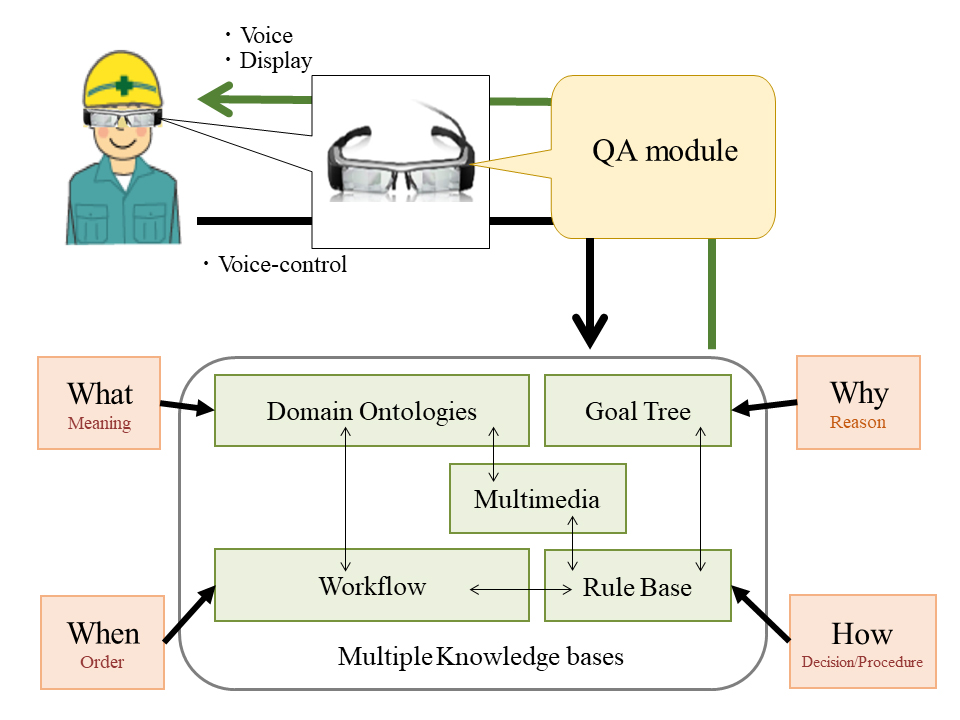
- Workflow. Hands-free instructions for technicians and surgeons.
- Social and fitness. Heads-up notifications, performance stats, or AR games.
People also ask:
- Can smart glasses translate speech live? Yes. Some systems capture speech, send it to AI, and display translated text quickly.
- Do they work offline? Basic features can run offline with on-device models, but complex tasks may need cloud access.
- Are they accurate for navigation? Accuracy depends on sensors and map data; most handle simple navigation well.

Source: amazon.com
Benefits, Limitations, and Risks
Smart glasses add value but also face limits.
- Benefits. Hands-free info, accessibility gains, faster workflows, and richer experiences.
- Limitations. Battery life, weight, limited field of view, and display brightness.
- Risks. Misrecognition, distraction while walking or driving, and overreliance on imperfect AI.
Understanding how Do AI Smart Glasses Work helps you weigh these trade-offs. Choose features that matter most to you.

Privacy, Security, and Ethics
Privacy and security are central to trust. Glasses sense the world continually. This raises real issues.
- Data minimization. Keep only the needed data and delete it quickly.
- On-device processing. Limits data shared with servers and reduces risk.
- Consent and signage. Let people know when recording or analyzing.
- Secure updates. Regular patches protect against vulnerabilities.
I advise enabling local processing for sensitive tasks and reviewing permissions. Be mindful when wearing cameras in private spaces.

Future Trends and What to Expect
Smart glasses will get smaller, smarter, and more private. Developments to watch:
- Better batteries and lighter frames.
- More powerful on-device chips for advanced AI.
- Improved displays with wider, clearer overlays.
- Wider adoption for health, work, and daily life.
As the tech matures, how Do AI Smart Glasses Work will shift toward instant, private intelligence in your view. Developers and regulators will shape safe, useful deployments.
Personal Experience and Practical Tips
I tested two smart glasses prototypes over several months. I used them for navigation, reading menus, and hands-free work. The experience taught me practical lessons.
- Calibrate the device. Proper fit and calibration improve accuracy.
- Start with simple tasks. Use notifications and translation first.
- Watch battery patterns. Heavy features drain fast; plan charging.
- Respect privacy. Ask permission before recording others.
My main lesson: small design choices make a big difference in daily comfort. Knowing how Do AI Smart Glasses Work helped me set realistic expectations.
Buying Guide and Practical Recommendations
If you want to buy smart glasses, compare these factors.
- Use case. Choose models focused on navigation, AR, or accessibility.
- Processing. Prefer devices with strong on-device AI for privacy.
- Battery life. Look for all-day runtime or quick charging.
- Display quality. Test readability in bright sunlight.
- Ecosystem. Check apps and ongoing software support.
Try before you buy. Wear them for at least an hour to judge comfort and usability.
Frequently Asked Questions of How Do AI Smart Glasses Work
How do AI smart glasses recognize objects?
They use computer vision models that analyze camera frames. The models identify shapes, textures, and labels to name objects in real time.
Can smart glasses translate spoken language instantly?
Yes. Many smart glasses use speech recognition and translation models. They display text or play translated audio with short delays.
Are AI smart glasses safe to use while driving?
They can be distracting and are not recommended for driving. Use voice-only modes and follow local laws for hands-free devices.
Do smart glasses store my visual data in the cloud?
Some do, depending on settings and features. You can choose devices that prioritize on-device processing to limit cloud storage.
How accurate is the AI in smart glasses?
Accuracy varies by model, lighting, and task. For common tasks like OCR and object detection, modern systems are often reliable but not perfect.
Can they work without an internet connection?
Basic functions can work offline with on-device models. Advanced features may require cloud access for heavy processing.
How long does the battery usually last?
Battery life ranges from a few hours with heavy use to a full day with light tasks. Power-efficient models and conservative settings extend runtime.
Conclusion
Knowing how Do AI Smart Glasses Work helps you pick the right device and set realistic goals. These devices combine cameras, sensors, and AI to show useful information in real time. Start with clear use cases, test comfort, and prioritize privacy settings to get the most value.
Take action: try a demo, test battery life, and compare on-device AI options before buying. Leave a comment about your experience or subscribe for updates on wearables and practical tips.