Mobile phone networks send and receive voice and data using radios, towers, and a core network.
I have worked in network testing and written about telecom systems for years. This guide explains how does mobile phone network work in clear steps and plain language. Read on to learn what towers, SIMs, and core systems do and how calls and data move across the network.
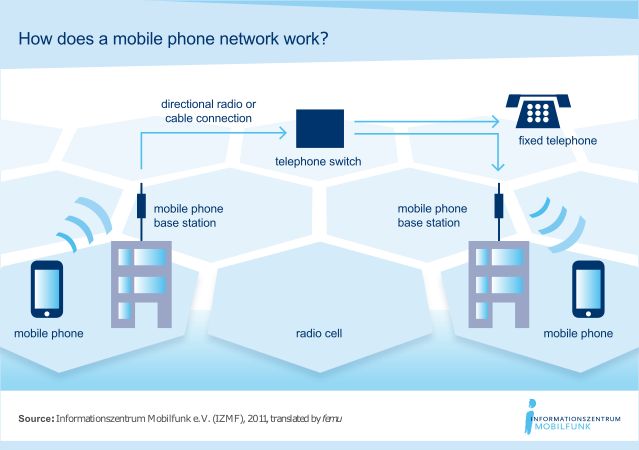
How mobile phone networks work: the basics
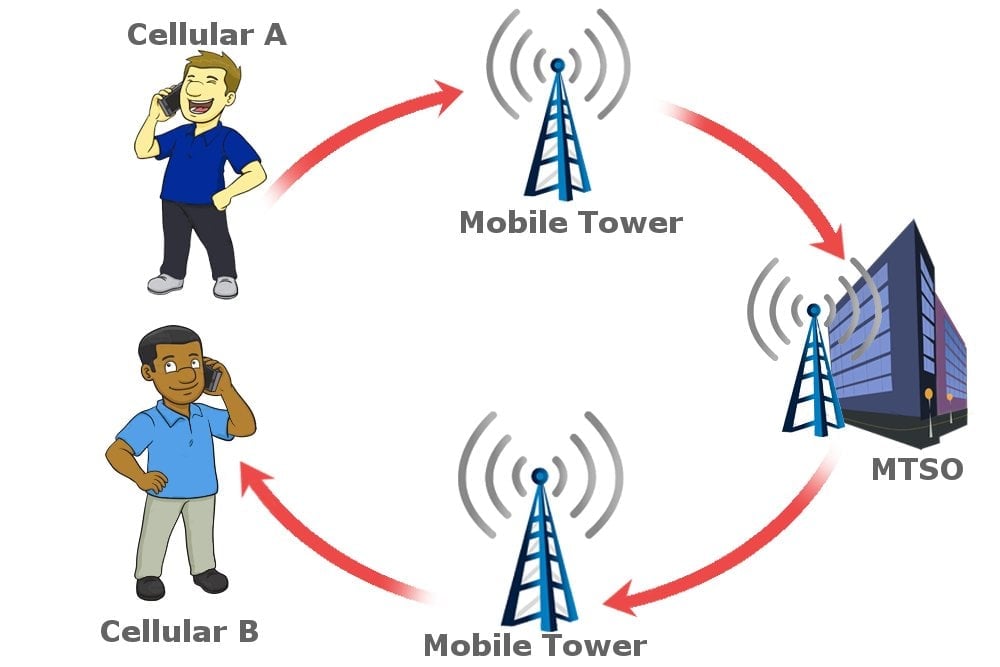
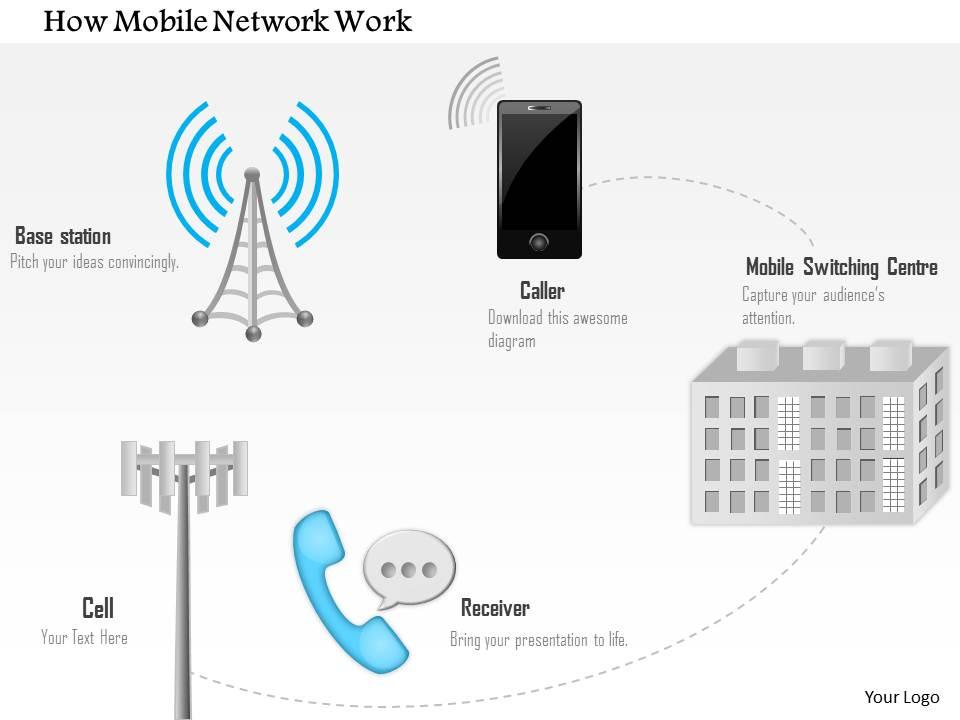
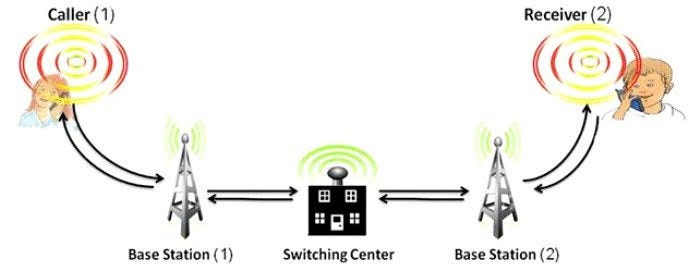
A mobile phone uses radio waves to talk to the nearest cell tower. The tower passes the signal to a local switch or core network. That core routes voice or data to its destination across the wider internet or phone network.
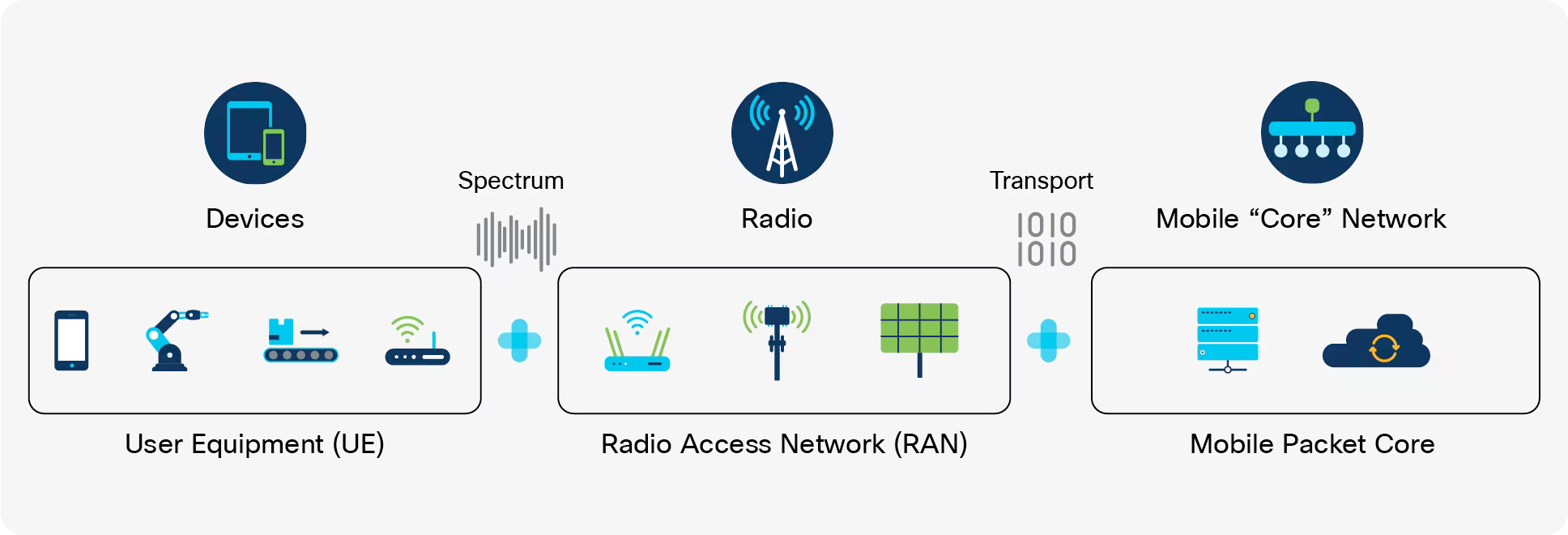
Source: matduggan.com
Key components of a mobile network
To understand how does mobile phone network work, know the main parts and what each does. These parts work together to let you call, text, or browse.
- Handset
Your phone sends and receives radio signals. The SIM holds identity info and keys. - Radio access network
Cell towers and antennas handle the wireless link. They manage many phones at once. - Core network
This routes calls and data and enforces billing, security, and roaming. - Backhaul and internet
Fiber and microwave links carry traffic from towers to central sites. They connect the mobile network to the global internet.
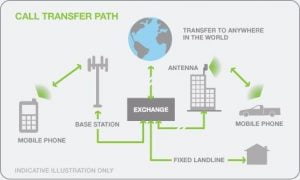
Source: org.au
Radio links, cells, and handover
A network divides a service area into cells. Your phone connects to a cell that gives the best signal. When you move, the phone switches cells in a handover to keep a call or data session active.
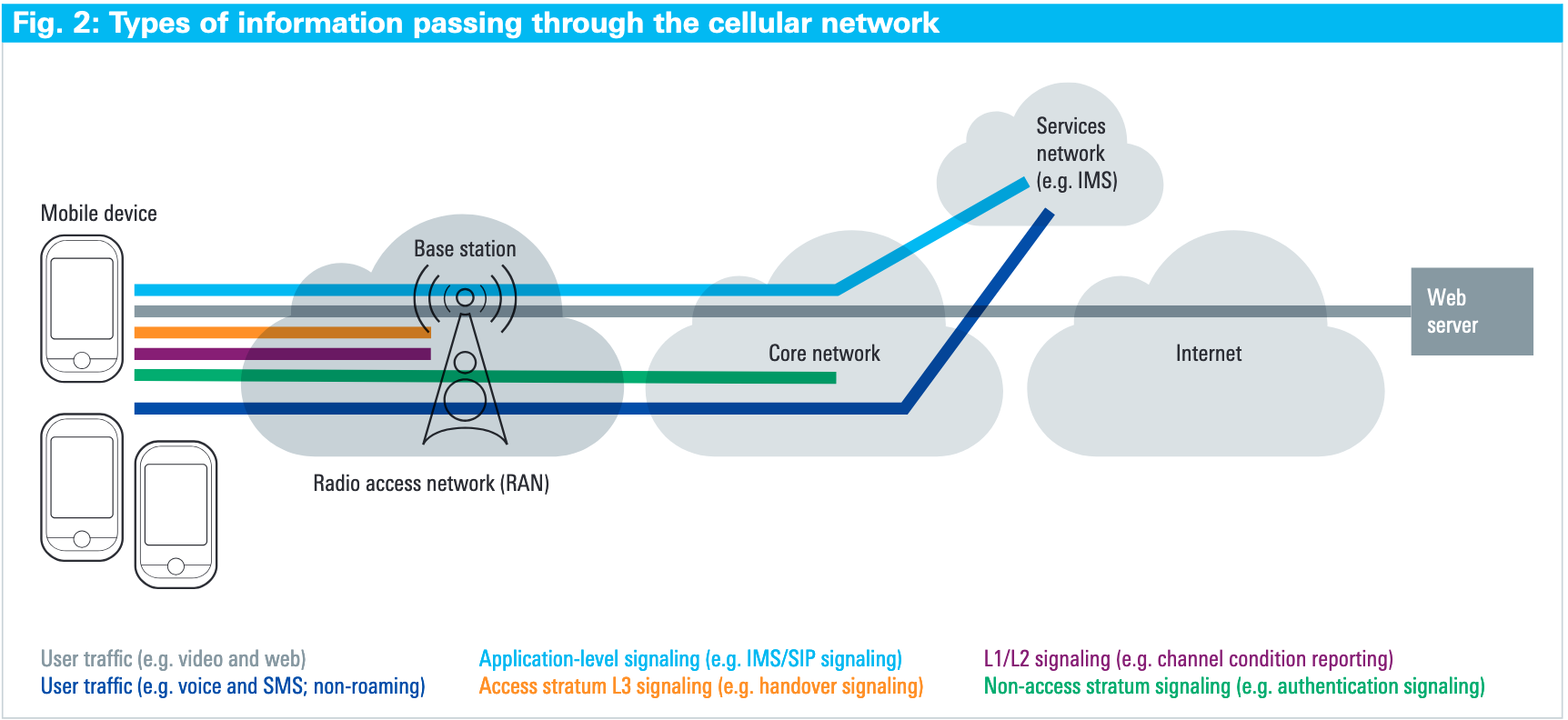
Source: matduggan.com
Generations: 2G to 5G and beyond
The way mobile networks work has evolved over time. 2G did voice and short text using circuit methods. 3G added better data, 4G moved to packets for fast internet, and 5G focuses on very low delay and high capacity to support more devices.

Source: wordpress.com
Data flow: from app to server
When you open an app, data moves from the handset to the tower and into the mobile core. The core sends packets to the internet and then to the app server. Responses travel back the same way, usually in milliseconds.
Quick questions people often ask
What is a packet?
A packet is a small chunk of data with routing info. Networks move many packets to build calls, web pages, or video.
How is voice carried now?
Voice usually uses packet methods like VoLTE over 4G or 5G. Older systems used circuits for voice.
Source: scienceabc.com
Security, privacy, and limitations
SIM-based authentication and encryption protect most traffic. Still, older networks and some roaming paths can be weaker. Limits include spectrum scarcity, physical coverage gaps, and capacity during busy times.
Source: tech-faq.com
Real-world examples and my experience
In field tests, I mapped dead zones in a suburban area with a simple scanner. A single small cell fixed a large black spot. That taught me to measure first, then add the simplest fix.
Source: slideteam.net
Practical tips to improve signal and data
If you wonder how does mobile phone network work in your home, try small steps first. Move near a window and test again. If needed, enable Wi‑Fi calling or use a carrier-approved booster.
Source: medium.com
Frequently Asked Questions about how does mobile phone network work
What role does a SIM card play?
A SIM stores your subscriber identity and keys for authentication. It helps the network verify and bill your device.
Why do calls drop when I move?
Calls drop when handover fails or the signal becomes too weak. Moving into a dead zone or high interference can cause this.
How is 5G different from 4G?
5G uses a wider bandwidth and better radio tech for faster speeds and lower delay. It also supports more devices per area.
Can my data be intercepted on a mobile network?
Most networks use encryption that protects data in transit. Older networks or misconfigured roaming links can be less secure.
How long does it take for data to travel through a mobile network?
Data travel time is typically milliseconds to a few hundred milliseconds. Distance, network load, and routing affect delay.
How does mobile network roaming work?
Roaming lets your phone use another operator’s network when you leave your home area. Authentication and billing are handled through agreements between operators.
Conclusion
You now have a clear, practical view of how does mobile phone network work. The phone, cell sites, backhaul, and core all play tight roles to carry voice and data. Test signal, try simple fixes, and ask your carrier for help when needed. Explore more, subscribe for updates, or leave a comment with your questions.