Stereo headphones deliver separate left and right audio channels for a clear, immersive listening experience.
I have spent years testing audio gear and explaining sound tech to others. In this article, I will answer what are stereo headphones in plain terms. I will show how they work, why they matter, and how to choose the best pair for your needs. Expect clear definitions, practical tips from real tests, and plain language you can use right away.
What are stereo headphones — a simple definition
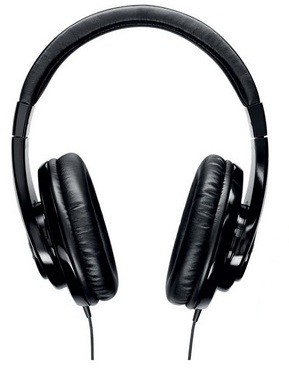
Stereo headphones send different audio to the left and right ears. They reproduce two distinct channels. This creates a sense of width and placement in sound. When you ask what are stereo headphones, think of them as two small speakers placed near your ears. They let you hear where instruments and voices sit in a mix.
- Stereo uses two channels: left and right.
- Each ear gets its own signal for a richer sound image.
- Stereo makes music, movies, and games feel more natural.

Source: amazon.com
How stereo headphones work
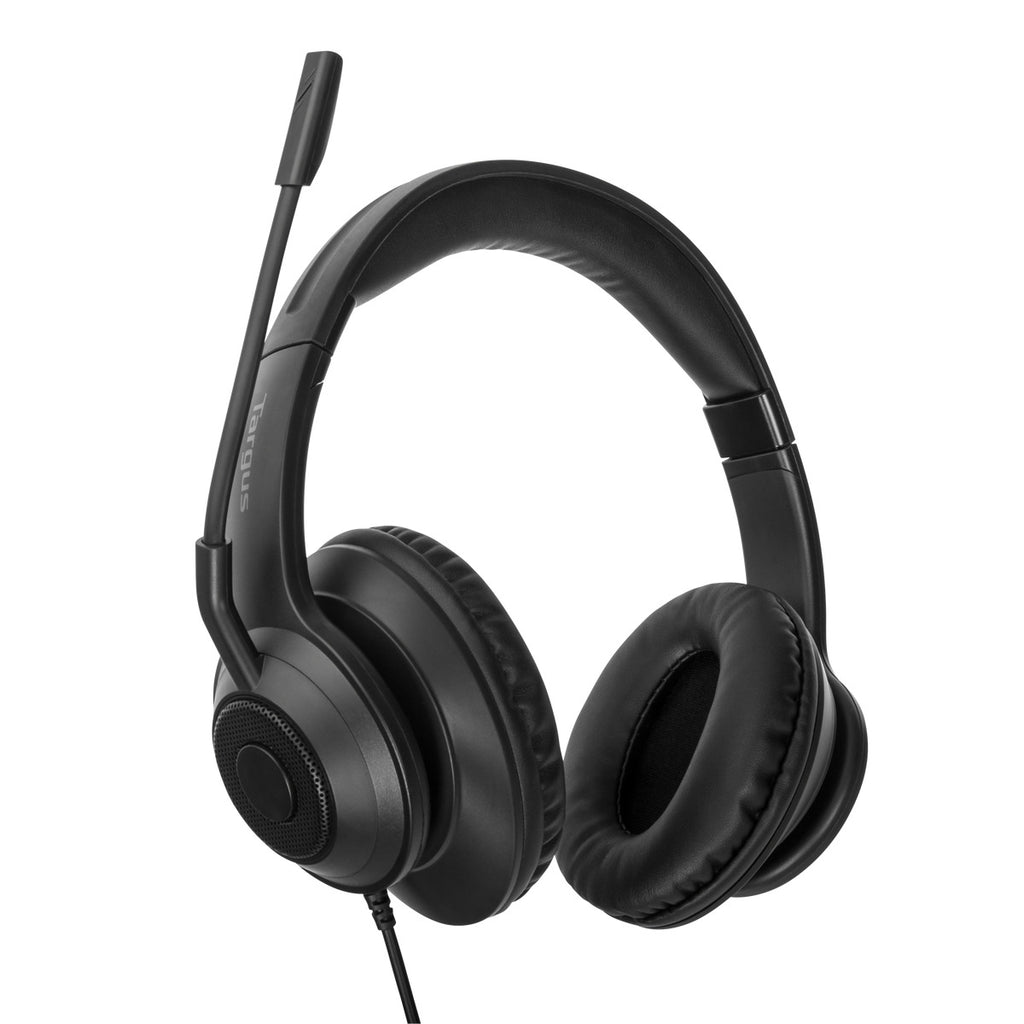
Stereo headphones use two drivers or two channels inside a single headset. One side plays the left channel. The other side plays the right channel. Your brain combines the two signals. That creates a sense of space and direction.
- Audio tracks are mixed in two channels.
- The headphone cable or wireless connection carries both channels.
- Drivers convert electrical signals into sound waves.
How do stereo headphones create a sense of space?
They feed slightly different sounds to each ear. The differences in timing and level tell your brain where sounds come from. This is called binaural or spatial perception.
Source: targus.com
Key components and specs to know
Knowing parts helps you pick better gear. These terms show up often when you search what are stereo headphones.
- Drivers
- Small speakers that produce sound. Bigger drivers often give more bass.
- Impedance
- Measured in ohms. Higher impedance may need a stronger amp.
- Sensitivity
- Shows how loud headphones will play at a given power level.
- Frequency response
- The range of sound the headphones can reproduce is often 20 Hz to 20 kHz.
- Connector and codecs
- Wired use plugs. Wireless uses codecs like SBC, AAC, or aptX.
I test headphones using the same songs and tracks. I pay attention to how clear instruments sound and how wide the soundstage feels. That practical testing builds real insight.

Source: amazon.ae
Types of stereo headphones and common use cases
There are many styles. Each style fits different needs.
- Over-ear
- Big cups. Good for comfort and soundstage. Great for home listening.
- On-ear
- Smaller cups. Lighter and more portable.
- In-ear
- Earbuds. Very portable and often used for travel.
- Open-back
- Let air flow. Give a wider soundstage but leak sound.
- Closed-back
- Seal ears. Better at blocking outside noise.
- Wired
- Often better sound per dollar and no latency.
- Wireless
- Convenient and mobile. Battery life matters.
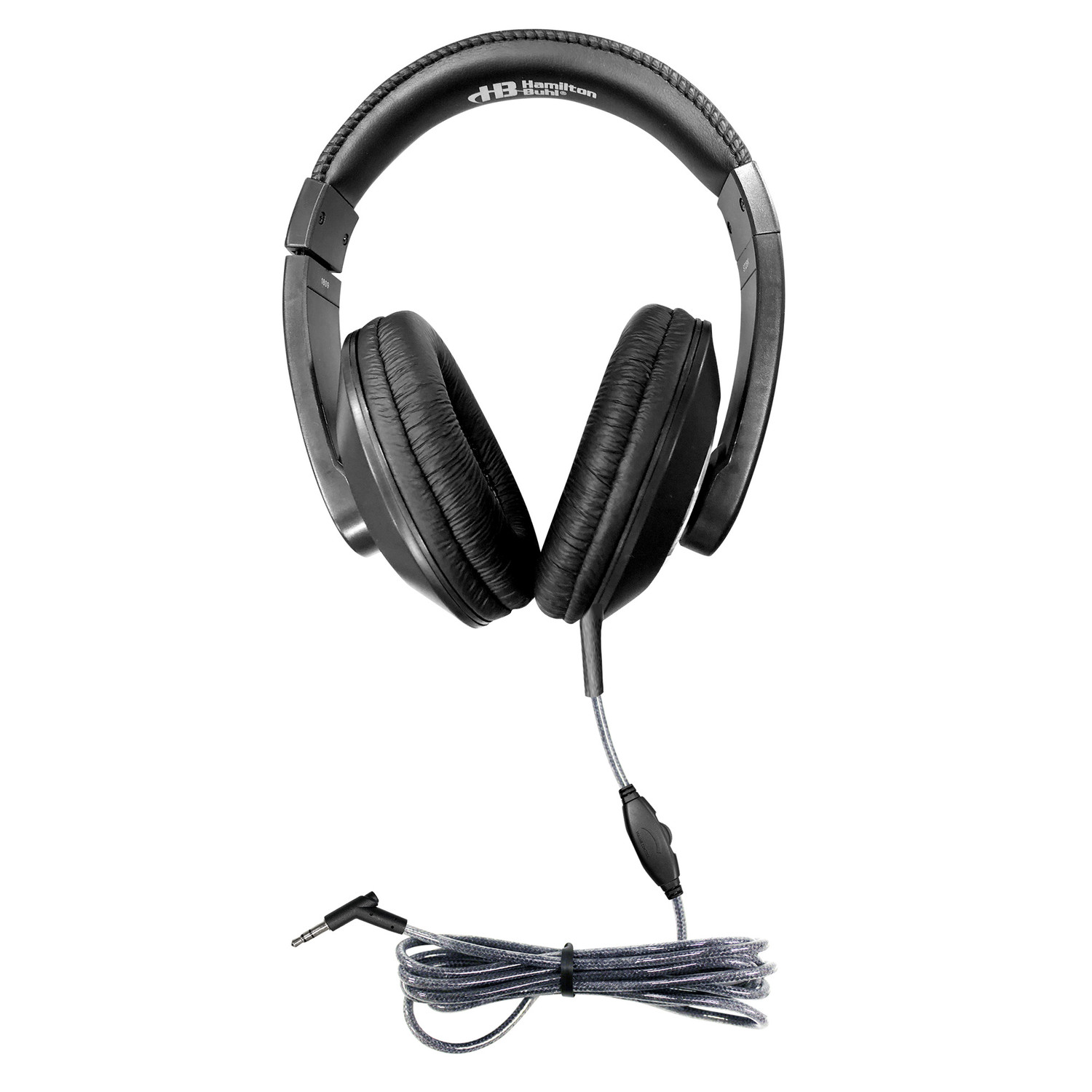
When people ask what are stereo headphones for gaming, they often want directionality and clear dialogue. For music, many prefer open-back stereo pairs for a natural sound.
Source: hamiltonbuhl.com
Stereo vs mono vs surround
Stereo is not the same as mono or surround. Each has a purpose.
- Mono
- Single channel. Same sound in both ears. Good for simple voice work.
- Stereo
- Two channels. Gives left-right placement. Best for most music.
- Surround
- Multiple channels beyond two. Used in movies and some games for positional audio.
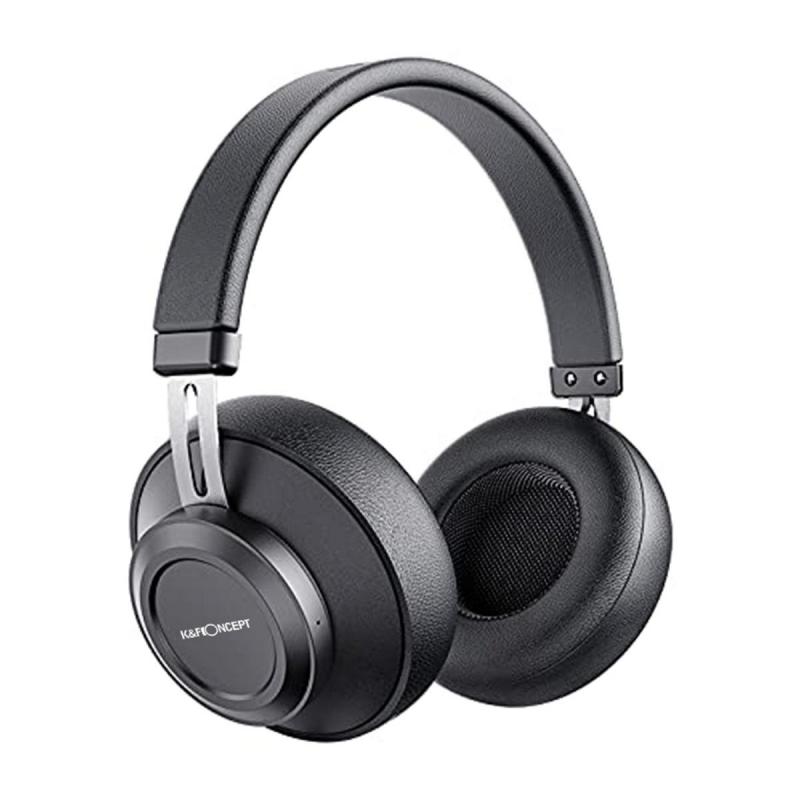
If you want simple clarity, mono can work. If you want space and detail, stereo is the right choice. For full immersion in movies or VR, surround or object-based audio may add depth.
Source: kentfaith.com
Benefits and limitations of stereo headphones
Stereo headphones are popular for good reasons. They are not perfect for every use.
Benefits
- Realistic left-right imaging.
- Widely supported by music, apps, and devices.
- Often lighter and cheaper than complex multi-driver gear.
Limitations
- Limited vertical height and deep 3D cues compared to surround audio.
- Sound leakage in open-back designs.
- Wireless stereo may have latency or compression.
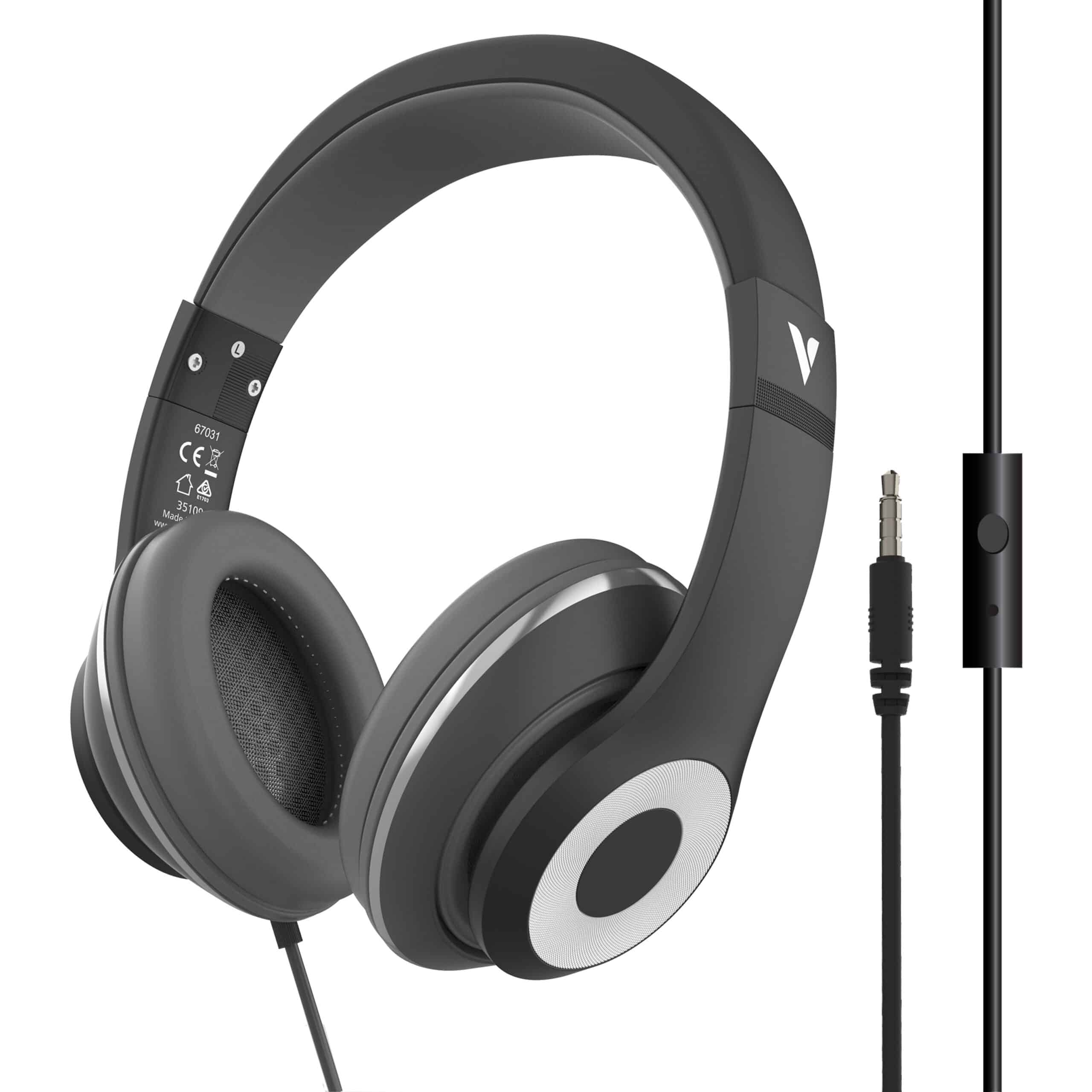
I find stereo good for daily listening and creative work. For competitive gaming, virtual surround can help, but stereo still excels for music.
Source: com.au
Buying tips and practical advice
When choosing stereo headphones, focus on fit, sound, and gear match. Here are tips from tests and real use.
- Try before you buy if you can. Comfort matters for long sessions.
- Match impedance to your device. Phones drive low-impedance sets best.
- Check wireless codecs if you stream high-res audio.
- For mixing or editing, pick flat response headphones.
- For fun listening, choose a pair with pleasing bass and clear mids.
A mistake I made early on was buying too-large open-back cans for travel. They leaked sound and were fragile. Now I pick closed-back, durable pairs for travel and keep open-back for home.

Source: amazon.com
Care, maintenance, and quick troubleshooting
Simple care keeps headphones working longer. Follow these tips.
- Clean ear pads gently with a damp cloth.
- Replace pads and cables when worn.
- Store in a case to avoid crushing.
- If one side is quiet, check the cable and jack first.
- For wireless pairs, reset them if you see strange audio lag.
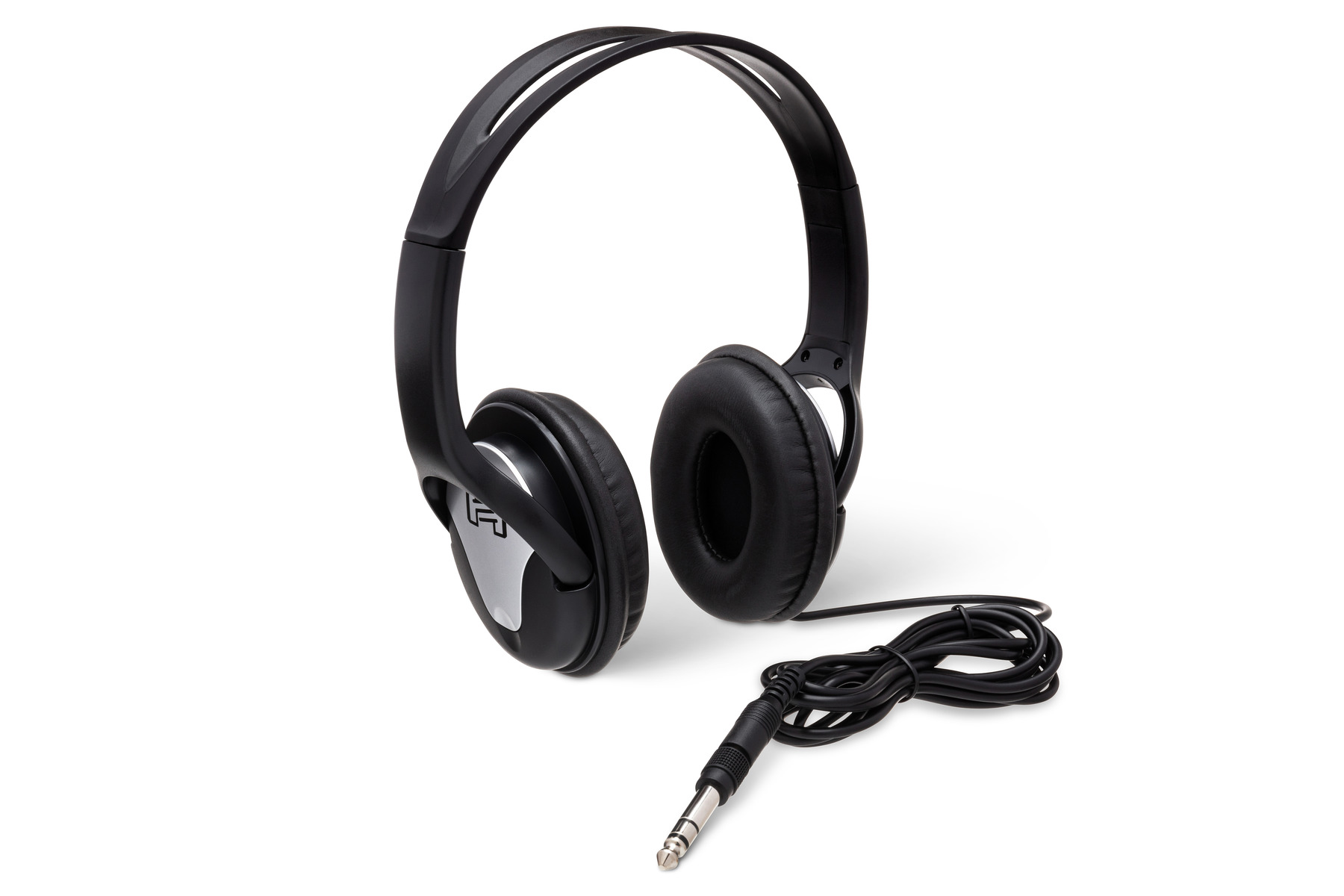
I always carry a spare cable and a tiny set of spare pads. They have saved hours of listening time during travel and gigs.
Source: hosatech.com
Frequently Asked Questions of what are stereo headphones
What are stereo headphones used for?
Stereo headphones are used for listening to music, watching movies, gaming, and editing audio. They recreate left and right channels to give a natural sense of space.
How do stereo headphones differ from mono headphones?
Stereo headphones send two distinct channels to the ears, while mono sends the same signal to both ears. Stereo provides spatial detail and positioning that mono lacks.
Can stereo headphones simulate surround sound?
Some stereo headphones use processing to simulate surround sound. This can help in games and movies, but it is not the same as true multi-channel surround.
Do wireless stereo headphones sound worse than wired ones?
Wireless stereo can sound slightly different due to compression and codecs. High-quality wireless sets with aptX or LDAC can be nearly as good as wired options.
Are stereo headphones good for mixing music?
Stereo headphones can be used for mixing, but you need neutral, flat-sounding models and cross-check on speakers. Many engineers use both headphones and monitors for accuracy.
How long do stereo headphones usually last?
Lifespan varies by build and care. With good care, quality headphones can last several years, and pads or cables can be replaced to extend life.
Conclusion
Stereo headphones deliver left-and-right audio that makes music and media feel more natural. You now know what are stereo headphones, how they work, and how to pick and care for them. Use the buying tips and checks I shared to make better choices and avoid common mistakes. Try different styles and listen to tracks you know well to find the pair that fits you. If this helped, leave a comment with your favorite pair or subscribe for more hands-on audio guides.