Mobile phone towers relay calls and data by sending and receiving radio waves between phones and networks.
I have spent years working with wireless systems and network teams. I will explain clearly how do mobile phone towers work, step by step. This guide covers components, signal flow, spectrum, placement, safety, limits, and real-world tips. You will learn practical facts and simple diagrams to make the topic easy to use.
How do mobile phone towers work: a clear overview
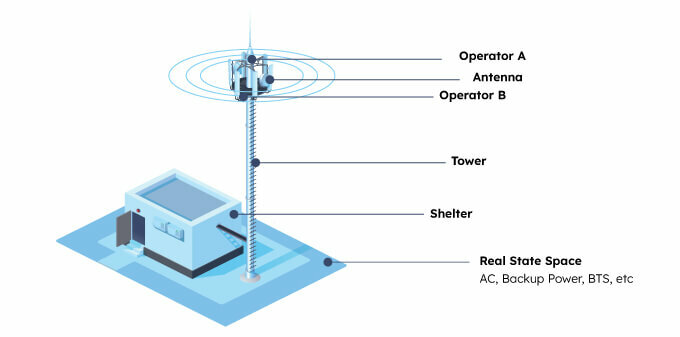
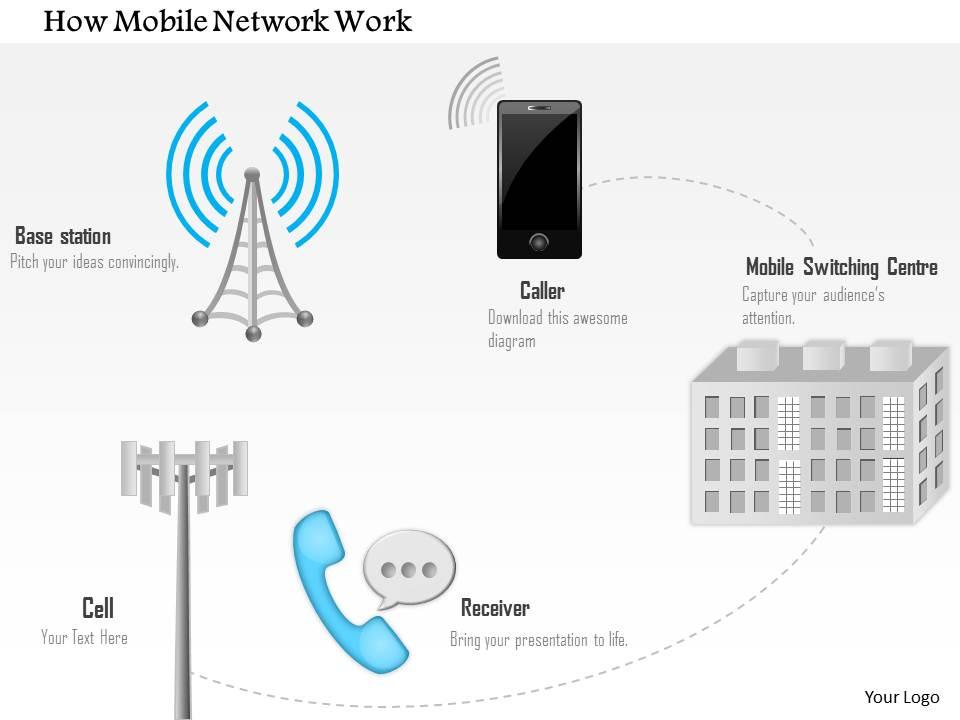
A mobile phone tower, often called a cell tower or base station, links your phone to the wider telephone and internet networks. It sends and receives radio signals. The tower passes voice and data to a local switch or core network. That switch routes traffic to other phones, to the internet, or to emergency services.
If you wonder how do mobile phone towers work, think of them as radio bridges. Phones talk to towers. Towers talk to the network. That short chain makes mobile calls and data possible.

Source: blushield.com
Main components of a mobile phone tower
Towers combine hardware and network systems. Here are the key parts and what they do.
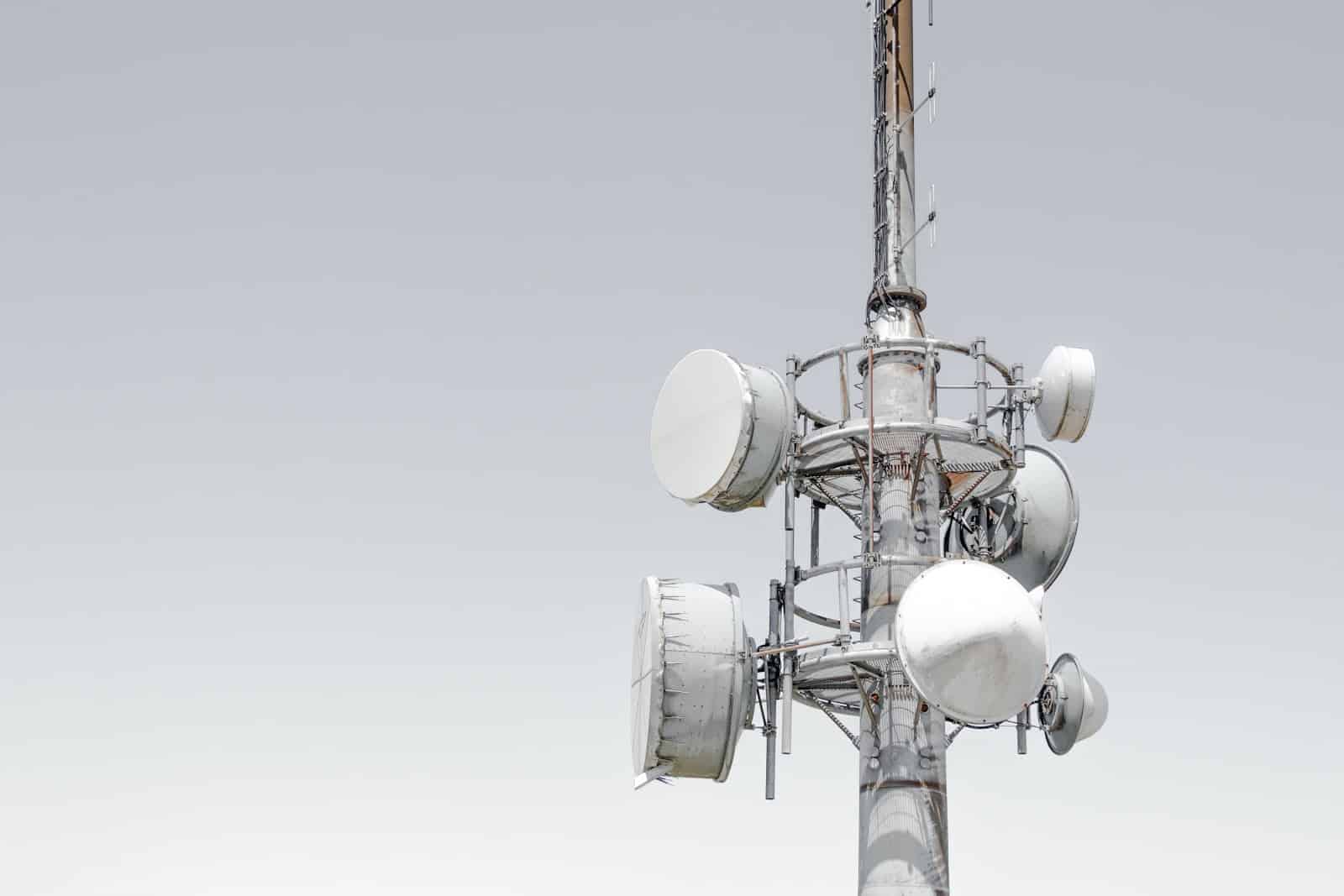
- Antennas
- Transmit and receive radio signals to phones.
- Can be sector antennas that focus coverage in one direction.
- Radio units and transceivers
- Convert digital network data to radio signals and back.
- Control channel allocation and power for each connection.
- Baseband and controllers
- Manage multiple radios and handle signal processing.
- Coordinate with the network for handoffs and traffic.
- Backhaul connection
- Links the tower to the operator’s core network.
- Uses fiber, microwave, or copper depending on location.
- Power systems
- Provide steady electricity; often includes batteries and generators.
- Tower structure or pole
- Holds antennas at height for better coverage.
- Types range from tall guyed masts to small street poles.
These parts work together to answer the basic question: how do mobile phone towers work? The antennas and radios talk to phones, and the backhaul carries that talk to the rest of the world.

Source: dgtlinfra.com
How signals travel: from your phone to the network
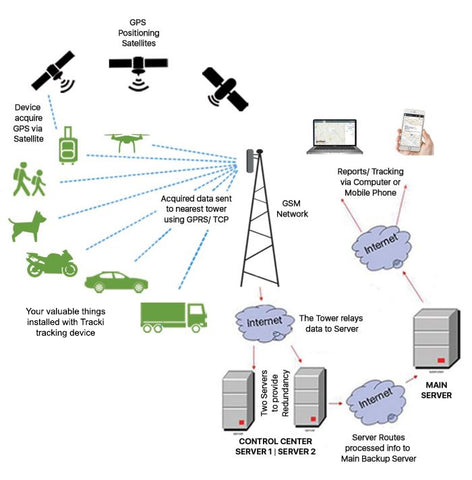
Signal flow is the heart of how do mobile phone towers work. Here is the common sequence.
- Your phone sends a radio signal when you call or use data.
- The nearest tower antenna receives that signal.
- The tower’s radio and baseband process it and check identity and allocation.
- The tower routes the call/data over backhaul to the core network.
- The network connects you to the destination phone, app server, or website.
- Responses come back through the core, down the backhaul, and out the tower antennas to your phone.
Two key concepts that appear here are uplink and downlink. Uplink is phone-to-tower. Downlink is tower-to-phone. Managing these links is what allows many users to share the same tower at once.
Source: tracki.com
Cell layout, sectors, and handoff
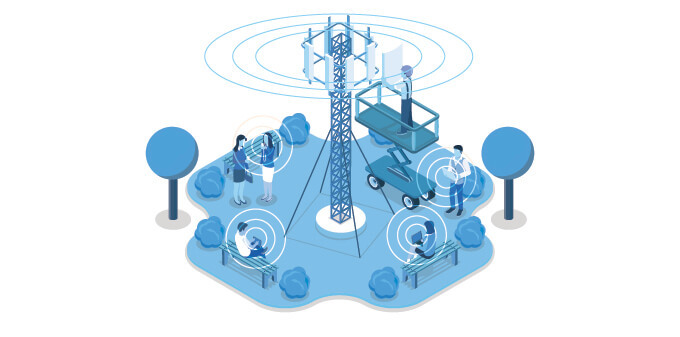
Towers create coverage areas called cells. Cells are planned to cover towns, roads, and buildings with minimal gaps.
- Cell shape and size
- Urban cells are small to handle many users.
- Rural cells are large to cover long distances.
- Sectors
- A single tower can use multiple directional antennas.
- Each antenna covers a sector, like slices of a pie.
- Handoff
- When you move, the network transfers your call or data from one cell to another.
- Handoff is timed to avoid dropped calls and to balance load.
Understanding how do mobile phone towers work includes knowing that cells are planned to fit demand and geography. Good planning reduces dead zones and congestion.
Source: slideteam.net
Frequencies, spectrum, and capacity
Spectrum determines how towers send and receive signals. Operators lease slices of spectrum from regulators.
- Frequency bands
- Lower bands travel farther and penetrate buildings better.
- Higher bands carry more data but have a shorter range.
- Bandwidth and capacity
- Wider channels allow faster data speeds.
- Multiple-input multiple-output (MIMO) boosts capacity by using multiple antennas.
- Technologies
- 2G, 3G, 4G, and 5G use different modulation and spectrum strategies.
- Newer tech improves efficiency and speed.
If you ask how do mobile phone towers work with 5G, the answer is that towers use new radios and often more antennas. They may also use higher frequencies for very fast speeds in dense areas.
Source: millmanland.com
Tower types and deployment strategies
Operators use different tower types for different needs.
- Macro towers
- Tall and high-powered for wide coverage.
- Small cells
- Short-range nodes for dense urban coverage or indoor boosts.
- Distributed antenna systems (DAS)
- Shared antenna networks inside buildings or stadiums.
- Rooftop installations
- Antennas on buildings to fill local gaps.
Choosing the right mix helps answer how do mobile phone towers work across cities and highways. Small cells make 5G fast where macro towers cannot reach.

Source: dgtlinfra.com
Real-world performance and common issues
Mobile systems face practical limits. Here are typical challenges and fixes.
- Interference
- Signals from nearby towers or devices can degrade service.
- Careful channel planning reduces interference.
- Congestion
- Too many users can slow data speeds.
- Operators add capacity or offload traffic to Wi-Fi.
- Physical obstructions
- Buildings, trees, and terrain block signals.
- Higher antennas and repeaters help.
- Backhaul limits
- Slow or unreliable backhaul creates bottlenecks.
- Fiber backhaul is the gold standard for capacity.
From my field work, the simplest fixes often help most. Moving an antenna a few feet or adding a small cell can cut complaints by half.
Source: wilsonamplifiers.com
Safety, radiation, and regulation
People often ask about health risks from towers. Here are clear facts.
- Towers emit non-ionizing radiofrequency energy.
- Emissions follow strict safety limits set by regulators.
- Field levels at ground level are usually far below those safety limits.
- Operators must follow local zoning and permit rules.
When explaining how do mobile phone towers work, it helps to be calm. The science shows that properly installed towers are safe for the public.

Source: youtube.com
Tips for a better signal and troubleshooting
Practical tips help your daily experience with mobile networks.
- Move closer to a window or a higher floor for a better signal.
- Avoid crowded areas if you need faster data; try Wi-Fi if available.
- Restart your phone if it won’t register with the network.
- Report persistent problems to your carrier; they can adjust the tower or add capacity.
These tips come from years of testing coverage maps and talking with engineers. Small changes often make a big difference.
Personal experience and lessons learned
I once helped tune a suburban network that suffered from dropped calls. The fix was not costly. We added two small cells near a shopping area and adjusted antenna tilt on the nearest tower. Call drops fell dramatically.
Key lessons I learned:
- Measure before you act. Data guides good fixes.
- Small changes can be powerful. Antenna tilt matters.
- Communicate with users. Simple advice often reduces complaints.
If you want to understand how do mobile phone towers work in your area, check coverage maps, and report issues. Operators rely on user feedback to optimize networks.
Frequently Asked Questions about how do mobile phone towers work
How close does my phone need to be to a tower to get service?
Phones can connect at different distances depending on frequency and power. In cities, towers are usually within a few hundred meters; in rural areas, they can be several kilometers away.
Why do calls drop when I drive between cities?
Calls drop when there is a poor handoff, a weak signal, or a gap in coverage between cells. High speeds and network congestion can make handoff harder, increasing drop risk.
Do mobile phone towers cause cancer?
Current evidence shows no link between properly regulated tower emissions and cancer. Towers emit non-ionizing radiation, and exposure limits are set well below levels of concern.
What is backhaul, and why does it matter?
Backhaul carries traffic from the tower to the core network. Fast backhaul, like fiber, enables higher data speeds and lower delays. Slow backhaul creates bottlenecks.
How do 5G towers differ from 4G towers?
5G uses new radio equipment, more antennas, and sometimes higher-frequency bands. Many 5G deployments use a mix of existing towers and denser small cells for capacity.
Can a tower cover an entire city?
No single tower can cover a whole city well. Networks use many towers and small cells to create overlapping coverage and handle capacity.
Conclusion
Mobile phone towers make modern wireless life possible by linking phones to core networks using antennas, radios, and backhaul. Understanding how do mobile phone towers work helps you troubleshoot, stay safe, and communicate better with your provider. Try simple fixes like moving nearer a window or reporting coverage gaps to improve your service. If this article helped, subscribe for more practical guides, or leave a comment with your local signal story.