Learn how to clean Bluevua water filter with simple rinse, soak, and cartridge replacement steps for better performance and clean water.
I’ve cleaned dozens of home filters and tested Bluevua units hands-on. This guide explains how to clean Bluevua water filter safely and effectively. You’ll get clear steps, tool lists, deep-clean methods, and real tips from my experience so you can keep your Bluevua filter running well and your water tasting great.

Why clean your Bluevua water filter?
Cleaning keeps the filter working at peak flow and removes trapped sediment. A clean Bluevua water filter reduces odors and prevents bacterial growth.
Regular cleaning also helps you spot leaks or worn parts early. If you skip cleaning, the filter can clog sooner and may need early cartridge replacement.

What you need before cleaning
Gather simple tools and safe cleaners before you start. This saves time and reduces mistakes.
- Soft brush or old toothbrush
- Clean bucket or large bowl
- Mild dish soap
- White vinegar or unscented household bleach (for sanitizing)
- Replacement O-rings and filter cartridges (if due)
- Gloves and a towel
Always read the Bluevua manual for model-specific guidance before you begin. Having the right parts and tools makes how to clean Bluevua water filter fast and safe.

Step-by-step: how to clean bluevua water filter
Follow these steps in order. Work on a clean surface and keep a towel under the unit to catch drips.
- Turn off the water and relieve pressure
- Close the inlet valve or main water supply. Open a nearby faucet to relieve pressure. This prevents spills when you open the housing.
- Remove the filter housing and cartridge
- Unscrew the housing by hand or use the wrench. Pull out the cartridge and set it on a clean towel. Inspect for cracks or heavy staining.
- Rinse loose debris
- Rinse the cartridge and housing under cool tap water. Use a soft brush to remove visible dirt. This step removes most sediment.
- Clean the housing and parts
- Mix mild soap and warm water. Wash the housing, cap, and any pre-filter screens. Rinse thoroughly to remove soap residue.
- Sanitize the housing (periodic)
- For deeper cleaning, soak the housing in a solution of 1 teaspoon unscented bleach per quart of water for 2–5 minutes. Rinse well until no bleach smell remains.
- Check and replace O-rings
- Inspect O-rings for cracks or flattening. Lubricate with food-grade silicone grease or replace if worn. A bad O-ring causes leaks.
- Reassemble and test
- Reinsert the cartridge, screw the housing back on hand-tight, open the water, and check for leaks. Flush the system per Bluevua instructions before drinking.
These simple steps show how to clean Bluevua water filter without special tools. Repeat cleaning every 3–6 months or as flow slows.

Deep cleaning and sanitizing
Deep cleaning is important if you detect slime, mold, or bad smells. Use sanitizing only when needed.
- Vinegar soak: Soak housings in a 1:1 mix of white vinegar and water for 15–30 minutes, then rinse. Vinegar is mild and safe for many plastics.
- Bleach sanitization: Use 1 teaspoon of bleach per quart of water for a short soak. Rinse thoroughly and ventilate the area. Never mix bleach with vinegar.
- Cartridge caution: Most disposable cartridges should not be soaked. Cleanable pre-filters and housings can be sanitized.
If you suspect bacterial growth, sanitize the system and replace the cartridge. Follow manufacturer guidance if your model needs a different approach.

Maintenance schedule and cartridge replacement
A clear schedule helps keep your Bluevua filter in top shape. Follow these general intervals.
- Monthly: Visual check for leaks and flow rate.
- Every 3–6 months: Rinse housings and replace or inspect pre-filter elements.
- Every 6–12 months: Replace main cartridges per your water quality and usage.
- Immediately: Clean if taste or odor changes, or after long idle periods.
If you have hard water, heavy sediment, or high usage, replace cartridges more often. Learning how to clean Bluevua water filter and when to swap cartridges saves money and keeps water safe.
Troubleshooting common issues
Here are quick fixes for common problems after cleaning.
Low flow after cleaning
- Make sure you flushed the system and reinstalled the cartridge correctly. Check for clogged feed lines.
Leaks in the housing
- Re-seat or replace the O-ring. Hand-tighten the housing; do not over-tighten.
Persistent odor or taste
- Replace the cartridge. Sanitize the housing and flush thoroughly.
Air in lines
- Run water for several minutes to purge air. Check for trapped pockets by opening multiple faucets.
If problems persist, consult Bluevua support or a water specialist. Proper cleaning usually resolves most issues.

Personal experience and pro tips
I once cleaned a Bluevua system that had not been serviced for over a year. The housings were loaded with sediment. A simple rinse and new O-rings restored flow and removed odors. From that job, I learned key tips.
- Always change O-rings when you change cartridges.
- Label housings with the last service date.
- Keep a spare cartridge and O-ring kit on hand for quick fixes.
Avoid common mistakes like using abrasive brushes on plastic or skipping rinses after bleach. These small steps make how to clean Bluevua water filter easier and safer.
Benefits and limitations of cleaning vs replacement
Cleaning has clear benefits, but limits exist.
Benefits
- Extends the life of housings and pre-filters.
- Improves flow and taste quickly.
- Low cost compared to full replacement.
Limitations
- Disposable cartridges must be replaced, not cleaned.
- Deep contamination may require a full cartridge change or professional help.
- Over-cleaning with harsh chemicals can damage seals.
Balance cleaning with timely cartridge replacement to get the best results from your Bluevua water filter.
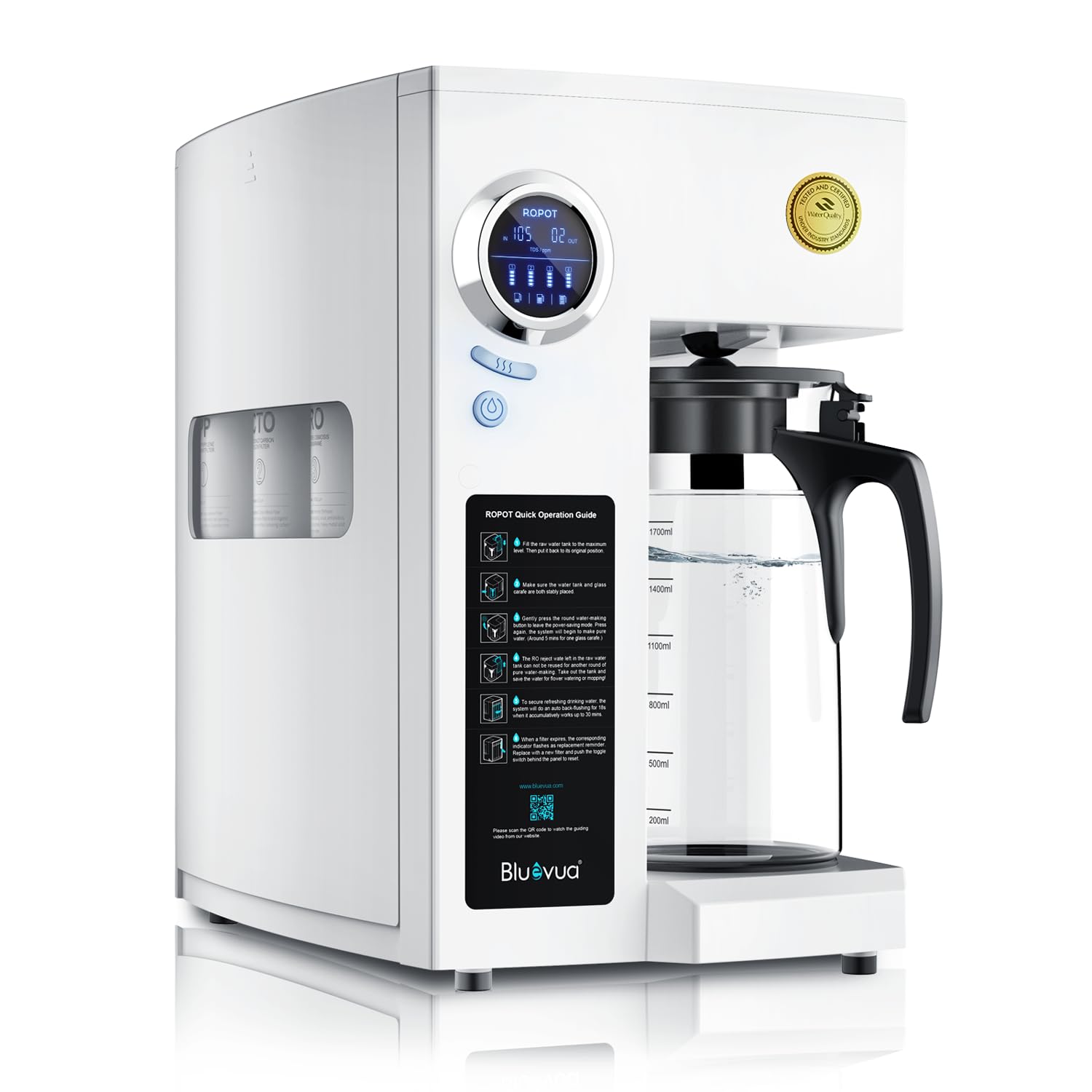
Buying replacement parts and when to replace
Use genuine or recommended parts for the best fit and safety. Check part numbers in your manual.
- Buy O-ring kits and spare cartridges online or from the manufacturer.
- Replace cartridges when flow drops, taste changes, or per the filter’s rated life.
- Keep a simple tool kit: wrench, spare O-rings, and gloves.
Proper parts and timely swaps make how to clean Bluevua water filter smarter and more cost-effective.
Frequently Asked Questions of how to clean bluevua water filter
How often should I clean my Bluevua water filter?
Clean housings every 3–6 months and inspect cartridges monthly. Replace cartridges per the manufacturer or sooner if flow drops or taste changes.
Can I use vinegar to clean the filter housing?
Yes. A 1:1 vinegar and water soak is safe for many housings. Rinse thoroughly to remove odor before reassembly.
Is bleach safe to sanitize my Bluevua water filter?
Bleach can sanitize, but use it sparingly: 1 teaspoon per quart of water and rinse well. Do not mix bleach with vinegar.
Can I clean and reuse the main cartridge?
Most main cartridges are disposable and should be replaced. Some pre-filters can be rinsed and reused; check your model’s manual.
What if my filter leaks after reassembly?
Turn off the water, re-seat or replace the O-ring, and hand-tighten the housing. If leakage continues, inspect the housing for cracks or cross-threading.
Conclusion
Cleaning your Bluevua water filter is a simple way to keep water clear, tasty, and safe. Follow the step-by-step routine, sanitize when needed, check O-rings, and replace cartridges on schedule. My hands-on experience shows small habits—regular checks, timely O-ring swaps, and flushing—prevent most problems. Start a cleaning habit today, note service dates, and keep a spare kit nearby. If this guide helped, try the steps on your next service and leave a comment about your results or questions.