Most mobile phone chargers use between 5 and 30 watts, depending on model and fast‑charge technology.
I’ve spent years testing chargers, reading specs, and helping people choose the right power bricks, so I’ll clearly explain how many watts does a mobile phone charger use and why that number matters. Read on to learn typical wattage ranges, how to read labels, real-world energy use and costs, safety tips, and my hands-on advice so you can pick and use chargers with confidence.
)
What determines charger wattage and why it matters
Wattage tells you how much power a charger can deliver. It is the product of voltage and current (watts = volts × amps). Phone charging systems negotiate a voltage and current level with the charger so both sides agree on the safest, fastest rate.
Key factors that determine how many watts does a mobile phone charger use:
- Charger design and chipset — Basic chargers stick to 5 volts and up to 2 amps; smart chargers support higher voltages and currents.
- Fast-charge protocols — Standards like USB Power Delivery and proprietary systems raise voltage or current to increase watts.
- Phone battery and firmware — The phone controls how many watts it accepts to limit heat and preserve battery life.
- Cable capability — A thin or old cable can limit current and lower delivered watts.
Understanding wattage helps you pick the right charger for faster charging and safer battery health.

Source: coevalchicago.com
Typical charger wattage ranges explained
Here are common wattage bands you’ll see and what they mean for charging speed.
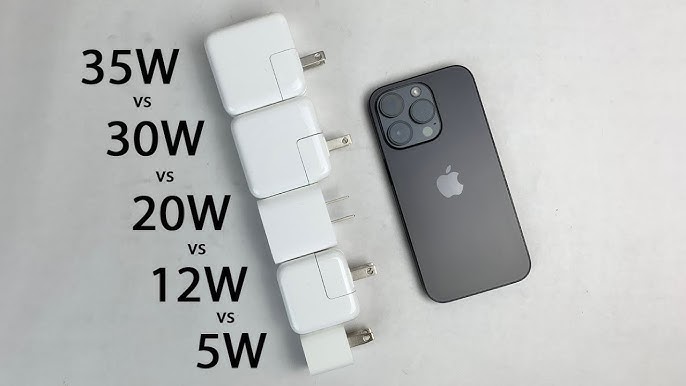
- 5 W to 10 W — Old-style USB-A chargers or small bricks. Slow charging for modern phones.
- 10 W to 18 W — Standard for many phones; steady charging without fast‑charge features.
- 18 W to 30 W — Common fast-charge range for many mid-range phones and fast USB-C chargers.
- 30 W to 65 W — Faster charging for high-end phones, some tablets, and laptop-capable bricks.
- 65 W and above — Designed for laptops and devices that accept very high power; phones may accept bursts but usually top out.
When people ask how many watts does a mobile phone charger use, they usually mean the range above — most phones fall between 5 W and 30 W in daily use.

Source: energysage.com
Fast-charging standards and how they affect watts
Different standards change voltage or current to increase wattage safely.
- USB Power Delivery (PD) — Common on USB-C chargers; negotiates voltages like 5V, 9V, 15V, 20V to deliver varied watts.
- Qualcomm Quick Charge — Raises voltage to increase watts on compatible devices.
- Manufacturer proprietary systems — Brands may tweak voltages and protocols for very high watt charging.
Knowing which standard your phone supports tells you how many watts does a mobile phone charger use in fast-charge mode. Phones limit intake by design, so a 65 W brick won’t necessarily force 65 W into your phone.

Source: anker.com
How to read a charger’s wattage and measure real output
Reading and measuring are simple once you know where to look.
- Check the label — Look for output values like 5V⎓2A or 9V⎓2A. Multiply volts × amps to get watts.
- Use a USB power meter — Small inline meters show volts, amps, and calculated watts during charging.
- Consult phone specs — Manufacturer pages list max charging wattage the phone can accept.
Example: A charger labeled 9V⎓2A delivers 18 W (9 × 2 = 18). If your phone negotiates 9V and draws 1.8A, it uses about 16.2 W in that moment.
If you’ve ever wondered how many watts does a mobile phone charger use while topping up on the go, a USB power meter gives the clearest snapshot.

Source: blackview.hk
Real-world energy use, cost, and efficiency
Peak wattage is not the same as total energy used. Charging is dynamic: phones draw high power at low battery and taper off as they approach full.
- Energy math — If a charger delivers 18 W for one hour, that’s 18 Wh (watt-hours). Most phone charges take 1–2 hours and typically use 5–15 Wh per full charge.
- Cost example — At $0.15 per kWh, a 10 Wh charge costs about $0.0015. Charging is inexpensive relative to household devices.
- Efficiency losses — Chargers and phone circuitry waste some energy as heat. Expect 80–95% efficiency depending on charger quality.
Two short common questions:
What peak power will my phone use? Phones accept as much as their charging spec allows; many top out between 18 W and 33 W.
Does a higher-watt charger always mean faster charging? Only if your phone supports the higher wattage and the cable and firmware allow it.
These answers show that while people ask how many watts does a mobile phone charger use, the practical impact is small on your electric bill but big for charge speed.
Source: youtube.com
Efficiency, standby draw, and safety considerations
Small details affect real-world performance and safety.
- Idle draw — Unplugged chargers left plugged in can draw small standby power. Good designs keep this under 0.1 W.
- Heat and battery life — High-watt charging generates more heat. Phones manage intake to protect the battery.
- Use certified cables and chargers — Cheap or uncertified chargers may misreport wattage or lack safety features.
- Overcurrent and temperature protections — Look for chargers with protections to avoid damage.
When choosing based on how many watts does a mobile phone charger use, prioritize certified, reputable chargers that match your phone’s accepted wattage for safe, reliable charging.

Source: reddit.com
Practical tips, recommendations, and my experience
After testing dozens of chargers, here are concise tips I use daily and share with friends.
- Match charger to phone spec — Use a charger that supports your phone’s max wattage for fastest safe charging.
- Keep cables short and high quality — Better cables preserve current and let you reach advertised watts.
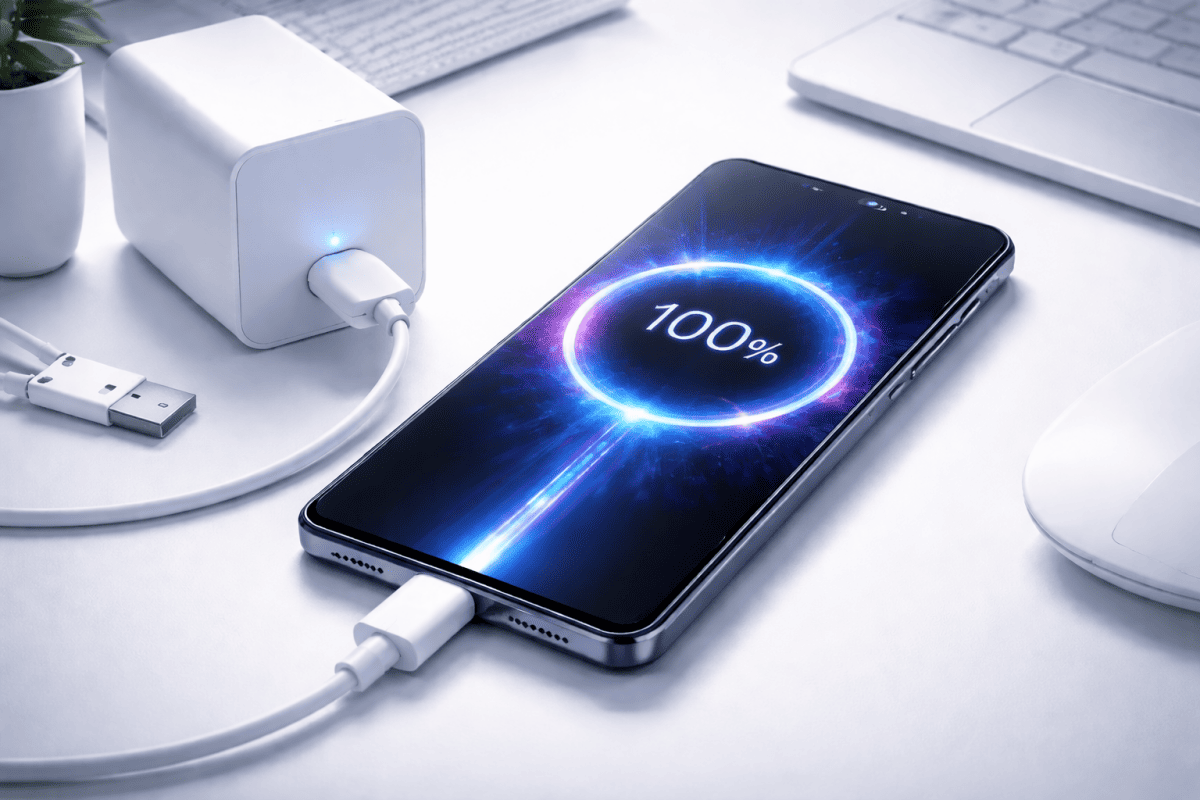
- Avoid charging to 100% overnight every time — Partial charging reduces long-term battery stress.
- Use PD or the phone maker’s recommended charger — This maximizes speed and safety.
A personal note: I once used a 60 W laptop brick to charge a phone during travel. The phone negotiated a safe 18 W and charged fast without issue. That taught me that more watt capability is fine as long as the phone controls intake.
If you check how many watts does a mobile phone charger use before buying, you’ll avoid slow charging and unnecessary expense.
Source: prizminstitute.com
Frequently Asked Questions of how many watts does a mobile phone charger use
How many watts does a mobile phone charger use for a full charge?
Most phones use about 5–15 watt-hours to fully charge, but instantaneous power can range from 5 W to 30 W depending on the charger and phone.
Will a higher-watt charger damage my phone?
No, a properly designed phone will only draw as many watts as it can safely handle. Use reputable chargers to ensure protections are present.
Can I use a laptop charger for my phone?
Yes, if the laptop charger supports USB Power Delivery and the phone supports PD. The phone will negotiate the correct wattage.
How do I find the wattage on my charger?
Read the output label for volts and amps (for example, 9V⎓2A). Multiply volts by amps to get watts.
Is fast charging bad for battery health?
Fast charging can produce more heat, which may slightly accelerate wear. Modern phones manage heat and charging curves to limit damage, so occasional fast charging is fine.
Conclusion
Understanding how many watts does a mobile phone charger use helps you choose the right charger, optimize charging speed, and protect your battery. Most daily charging falls between 5 W and 30 W, and your phone controls how much it accepts. Put this knowledge into action: read charger labels, use quality cables, and match chargers to your phone’s specs for safe, efficient charging. If this guide helped, try measuring your own charger with a USB power meter, subscribe for more tips, or leave a comment with your charger setup.