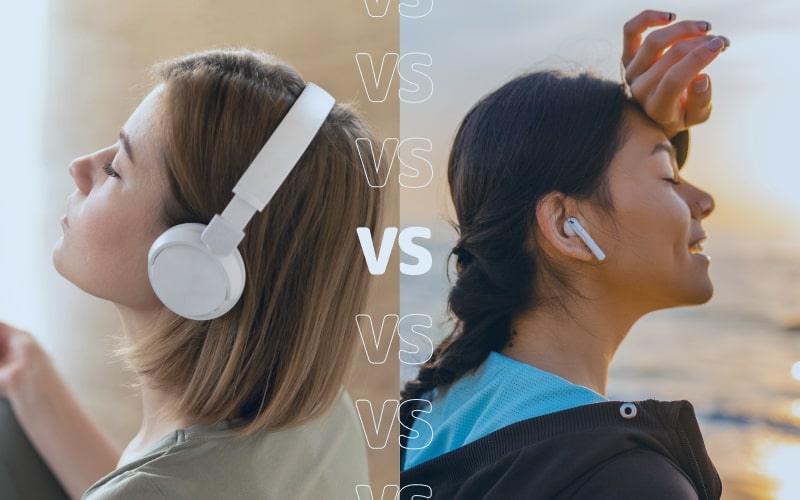
Headphones are better than earbuds for sound, comfort, and long-term value for most listeners.
I’ve spent years testing audio gear, reviewing headphones, and comparing them to earbuds. This guide explains clearly why headphones are better than earbuds for many uses. I’ll cover sound quality, comfort, durability, health, and real-world tips so you can choose what fits your life and budget.
Why headphones are better than earbuds: a clear definition and overview
Headphones are over-ear or on-ear devices that surround or sit on the ear. Earbuds sit inside the ear canal or rest on the outer ear. Understanding this basic difference helps explain why headphones are better than earbuds in many areas.
A larger enclosure lets headphones use bigger drivers. Bigger drivers usually mean more accurate bass, wider soundstage, and better dynamics. That size advantage is the key reason many audiophiles and pros prefer headphones over earbuds.

Source: youtube.com
Sound quality and performance
Headphones often deliver more accurate sound than earbuds. They use larger drivers and can reproduce low frequencies with less distortion. This leads to fuller bass and clearer mids and highs.
Soundstage and imaging
- Headphones create a wider soundstage. This helps instruments and voices feel separated and natural.
- Earbuds often feel “inside your head,” while headphones give a sense of space and depth.
Noise control
- Passive isolation on closed-back headphones blocks ambient noise better without cranking volume.
- Active noise cancellation in headphones tends to be more effective due to larger ear cups and microphones.
Technical advantages
- Larger drivers and better damping improve transient response and detail retrieval.
- Many headphones support higher fidelity codecs and higher power handling, which matters for serious listening.
Practical example: when mixing music at home, I could hear subtle reverb tails on headphones that disappeared on earbuds. For movies, headphones make sound effects feel immersive.
:max_bytes(150000):strip_icc()/Earphones-vs-Earbuds-f341ad339122405c96d839b6b0da30f3.jpg)
Source: lifewire.com
Comfort, fit, and ergonomics
Comfort matters for long listening sessions. Headphones usually win here.
Long sessions
- Over-ear cups distribute pressure over the head and around the ear.
- Earbuds press inside the ear canal and can cause fatigue after extended wear.
Fit and seal
- A good headphone pad creates a consistent seal without invasive insertion.
- Earbud fit varies a lot; a poor fit changes the sound and may cause discomfort.
Adjustability and wear types
- Headbands, swivel cups, and different padding let you tune fit on headphones.
- Earbuds usually offer multiple tips, but you still rely on the ear canal shape for comfort.
From my experience, I can listen to over-ear headphones for hours. With earbuds, I often need to take breaks after 45–60 minutes.

Source: tranya.com
Durability, battery life, and value
Headphones often last longer and offer better repair options than earbuds.
Build and repairability
- Headphones use replaceable cables and ear pads on many models.
- Earbuds are compact and sealed, which makes repairs difficult and increases e‑waste.
Battery life and features
- Wireless headphones typically have longer battery life than true wireless earbuds.
- Larger battery capacity lets headphones support features like ANC for longer stretches.
Value over time
- A well-built pair of headphones can be serviced and last several years.
- Earbuds tend to wear out faster, especially charging cases and tips.
I’ve owned over-ear headphones for 5+ years that only needed new pads. A pair of earbuds often needs full replacement in two years.

Source: elver.in
Health, safety, and hearing protection
Health considerations favor headphones in many cases.
Hearing risk
- Headphones reduce the urge to raise volume because they isolate sound more effectively.
- Earbuds sit in the ear canal and can push sound closer to the eardrum, increasing the risk when volumes are high.
Ear hygiene and infections
- Earbuds can trap moisture and debris, raising the chance of irritation or infection.
- Headphones rest outside the ear canal and are less likely to cause such issues.
Limitations and trade-offs
- Very tight headphones can press and cause discomfort if not fitted correctly.
- Both types can cause hearing damage at high volumes; safe listening habits matter most.
I used to push earbuds loud on noisy commutes. Switching to noise‑isolating headphones helped me lower the volume and feel safer.

Source: youtube.com
Use cases where headphones outperform earbuds
Certain tasks clearly favor headphones over earbuds. Here are practical examples.
Studio and professional work
- Mixing, mastering, and critical listening demand accurate sound and a wide soundstage.
- Headphones offer more reliable references for tonal balance.
Gaming and immersive media
- Headphones deliver precise imaging, which helps locate sounds in games.
- Long gaming sessions are more comfortable with cushioned ear cups.
Travel and commuting
- For long flights, over-ear ANC headphones block engine noise better.
- Earbuds work for quick trips, but headphones win for extended travel comfort.
Calls and conferencing
- Headphones with boom mics or better mic arrays offer clearer voice capture.
- Earbuds can struggle in noisy environments without high-quality mics.
Source: simoncrowe.tv
Personal experience and practical tips
I’ve tested many headphones and earbuds across price bands. Here are honest lessons and tips.
Lessons learned
- Don’t assume price equals best fit. A midrange headphone often outperforms premium earbuds for listening pleasure.
- Comfort beats specs for daily use. Choose what feels good for hours.
Buying tips
- Try before you buy if possible. Fit and comfort are personal.
- Check return policies. Good vendors let you test at home.
Maintenance tips
- Replace pads and cables when worn. Clean ear tips and cups periodically.
- Use a dedicated case and avoid leaving earbuds in pockets where they get crushed.
From my tests, headphones are better than earbuds for serious listening and long-term value. For short tasks, earbuds can be handy, but they rarely match the comfort and fidelity of headphones.
Frequently Asked Questions of headphones are better than earbuds
Are headphones always better than earbuds for sound quality?
Headphones generally offer better sound quality due to larger drivers and better acoustic design. However, some high-end earbuds can rival midrange headphones in clarity for certain music styles.
Do headphones protect hearing more than earbuds?
Yes, headphones often reduce the need to raise volume because they block ambient noise better. Still, safe listening levels are essential regardless of the device.
Are headphones better than earbuds for travel?
For long trips, headphones with good ANC are usually better than earbuds for comfort and noise reduction. Earbuds can be more convenient for short commutes or quick phone calls.
Can earbuds ever match headphones for gaming?
Top-tier earbuds with low latency can work, but headphones typically provide superior spatial cues and comfort for long gaming sessions. Many gamers prefer headphones for immersion.
Do headphones cost more than earbuds over time?
Often, headphones offer better long-term value because they’re more repairable and durable. Cheap earbuds may need frequent replacement, increasing lifetime cost.
How do I choose between headphones and earbuds?
Consider use case, comfort, and budget. Choose headphones for home listening and work that need accuracy, and pick earbuds for portability and quick runs.
Conclusion
Headphones are better than earbuds for most people who value sound quality, comfort, durability, and hearing safety. They deliver fuller sound, better isolation, and longer-term value for studio work, gaming, travel, and long listening sessions. Try different models, prioritize comfort, and aim to protect your hearing. If you found this helpful, leave a comment with your favorite pair, subscribe for more gear guides, or test both options and decide which fits your daily life best.