Turn off Enhanced Sync by disabling sync in your browser or Windows account settings.
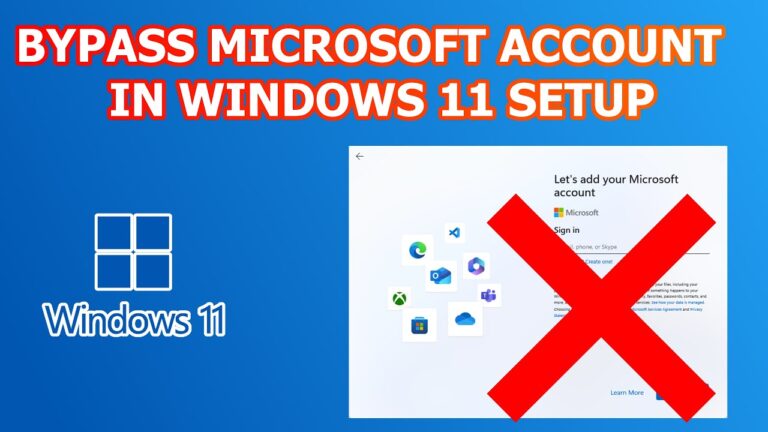
I’ve spent years helping people tune their Windows laptops for privacy and speed, and I’ll walk you through exactly how to disable enhanced sync in Windows 11 laptop setups. This guide covers both browser-level enhanced sync (common in Chrome and Chromium-based browsers) and Microsoft account sync in Windows 11, with clear steps, tips from my experience, and simple troubleshooting so you can choose the right path for your needs. Read on to pick the method that fits your privacy and performance goals.
Why you might want to disable Enhanced Sync
Enhanced sync can speed up setups and sync personalization across devices, but it can also share more data than you want. Disabling enhanced sync helps protect privacy, reduce background traffic, and avoid unexpected synced settings on shared devices. If you care about limiting cloud-stored data or want tighter control over what leaves your laptop, learning how to disable enhanced sync in Windows 11 laptop environments is useful.

Source: comodo.com
Before you begin: backup and what to expect
Turn off sync only after you understand what will stop syncing. Turning off enhanced sync can stop bookmarks, passwords, history, settings, or edge data from updating across devices. Back up important items like bookmarks and passwords before making changes. I always export passwords or use a local password manager first to avoid lockouts.

Source: youtube.com
How to disable Enhanced Sync in Google Chrome (or Chromium-based browsers) on Windows 11
Many people refer to browser Enhanced Sync when they ask how to disable enhanced sync in Windows 11 laptop. Here’s how to disable it in Chrome and similar browsers.
- Open Chrome on your Windows 11 laptop.
- Click the profile icon at top-right and choose Manage your Google Account or click Settings.
- Go to Settings > You and Google > Sync and Google services.
- Click Manage what you sync.
- Toggle off Sync to stop all sync. Or select Customize sync and switch off specific items like Passwords, Bookmarks, or History.
- Sign out of Chrome if you want no account sync at all. Click the profile icon, then Sign out.
Notes and tips
- Export bookmarks before disabling sync to keep a local copy.
- If passwords were only stored in the cloud, export them to a secure file or local manager first.
- Restart Chrome after changing sync settings to ensure changes take effect.
This covers how to disable enhanced sync in Windows 11 laptop browsers by disabling browser sync. It removes browser-level data sharing and personalization across devices.

Source: comodo.com
How to disable Windows 11 account sync (Microsoft account sync)
Sometimes “enhanced sync” refers to Windows sync settings tied to your Microsoft account. Disabling this stops Windows from syncing themes, credentials, and settings across PCs.
- Open Settings on your Windows 11 laptop (Win + I).
- Go to Accounts > Windows backup.
- Under Remember my preferences, toggle off the items you don’t want to sync. Options include Passwords, Windows settings, and File Explorer settings.
- For full stop, click Accounts > Sync your settings and turn off Sync settings entirely. If prompted, confirm you want to stop syncing.
Additional steps
- Consider switching to a local account if you want no cloud sync. Go to Accounts > Your info > Sign in with a local account instead and follow prompts.
- Review Privacy settings in Settings > Privacy & security to reduce other cloud features.
This explains how to disable enhanced sync in Windows 11 laptop devices at the OS level. Turning these off keeps your system preferences local to the device.

Source: youtube.com
Troubleshooting and common issues
If sync doesn’t stop, try these fixes.
- Sign out and sign back in
- Sign out of your browser or Microsoft account, then sign back in and re-check sync options.
- Clear cached sync data
- For browsers, clear browser cache and restart. For Windows, consider toggling the sync settings off, rebooting, then turning them off again.
- Check multiple profiles
- Make sure you disabled sync on every profile or account on your laptop. Sync can run per profile in browsers.
- Policy or enterprise controls
- If your laptop is managed by work, an admin policy may re-enable sync. Talk to IT to change policies.
These steps helped me several times when sync settings seemed stuck. A restart and deliberate sign-out usually solved it.

Source: youtube.com
Personal experience, tips, and mistakes to avoid
I once disabled enhanced sync on a work laptop without exporting passwords first and lost access to a few sites until I reset passwords. Learn from that: always export critical data. Here are practical tips I use:
- Export passwords and bookmarks before disabling sync.
- Test on one profile first. If you have multiple users, change settings for one account to see the impact.
- Use a local password manager for long-term safety. That removes reliance on cloud-stored passwords.
- Keep a small checklist: export, disable, restart, verify.
These steps reflect real-world practice and help avoid downtime. When I follow them, changes are smooth and predictable.

Source: youtube.com
Frequently Asked Questions of how to disable enhanced sync in windows 11 laptop
Will disabling enhanced sync delete my bookmarks and passwords?
Disabling sync does not immediately delete local bookmarks or passwords. It stops future changes from syncing. Export important data first to be safe.
Can I disable enhanced sync only for passwords or only for bookmarks?
Yes. In browsers like Chrome, choose Customize sync and turn off only the items you don’t want to share.
Does turning off Windows sync remove the cloud copy of my settings?
Turning off sync on the device stops future syncing. The cloud copy may remain until you clear it from your account dashboard or delete it via Microsoft account settings.
Will disabling enhanced sync improve laptop performance?
It can reduce background network use and reduce small CPU or memory tasks. The performance gain is usually minor but can help on very low-bandwidth or older machines.
What if my work or school enforces sync settings?
Managed devices can re-enable sync via policy. Contact your IT admin to request changes or to understand policy limits.
Conclusion
Disabling enhanced sync on a Windows 11 laptop is straightforward once you decide whether you mean browser-level enhanced sync or Windows account sync. Back up passwords and bookmarks, follow the steps for your browser or account, and test changes on one account first. Take action today: export your critical data, change sync settings, and enjoy tighter control over your privacy and data. If this guide helped, try the steps on your laptop now and leave a comment with any questions or experiences.